NEW Upcoming Notice: SOA CET 2026 Registration Has Been Started Click Here to Apply Now|NEW Check All Upcoming Notices Click Here

Integrated Program B.Tech (Aero) + Aircraft Maintenance Engineering

Integrated B.Tech Aeronautical Engineering and AME License aviation program banner

Why Choose an Integrated B.Tech (Aero) + AME Program?

Imagine having both the design expertise of an aeronautical engineer AND the hands-on certification of an Aircraft Maintenance Engineer. This isn’t just a dream, it’s the reality offered by SOA’s groundbreaking Integrated Program, which combines a B.Tech in Aeronautical Engineering with an Aircraft Maintenance Engineering certification.

In today’s competitive aviation industry, professionals with dual qualifications stand out. While traditional engineers understand aircraft design but lack maintenance certification, and AMEs excel at maintenance but may lack comprehensive engineering knowledge, graduates of this integrated program possess both skill sets. This unique combination opens doors to career opportunities that single-qualification holders simply cannot access.

The integrated program represents the future of aviation education: comprehensive, efficient, and aligned with industry needs. Instead of spending 4 years on B.Tech and then pursuing AME separately (taking 6-7 years total), this innovative program delivers both qualifications in just 5 years, saving time, money, and accelerating your career trajectory.
Understanding the Integrated Program Advantage

AME license categories A B C D aviation certification chart

What is the Integrated B.Tech (Aero) + AME Program?

This is a specially designed 5-year curriculum that simultaneously prepares students for:

B.Tech in Aeronautical Engineering:

A complete four-year engineering degree covering aircraft design, aerodynamics, propulsion, structures, and aerospace systems. This provides the theoretical foundation and analytical skills essential for engineering roles.

Aircraft Maintenance Engineering License:

DGCA-approved training enabling students to obtain AME license certification. This hands-on qualification permits holders to inspect, maintain, repair, and certify aircraft for flight operations.

The curriculum is meticulously structured to integrate both programs seamlessly. Students study engineering theory while gaining practical maintenance skills, creating professionals who understand not just how aircraft should be designed, but also how they’re actually maintained and operated in real-world conditions.

The Unique Value Proposition

  • Dual Qualification in 5 Years: Instead of pursuing B.Tech (4 years) and then AME (2-3 years) separately, complete both in just 5 years.
  • Time Efficiency: Save 1-2 years compared to pursuing qualifications separately, entering the workforce earlier.
  • Cost Effective: Reduced overall educational investment compared to two separate programs.
  • Comprehensive Skill Set: Design aircraft as an engineer AND maintain them as a licensed AME—a rare and valuable combination.
  • Enhanced Employability: Dual qualifications make you attractive to a wider range of employers across design, manufacturing, maintenance, and operations.
  • Career Flexibility: Choose between pure engineering roles, maintenance positions, or hybrid opportunities that leverage both qualifications.
  • Higher Earning Potential: Dual-qualified professionals often command premium salaries compared to single-qualification holders.

Eligibility Criteria

SOA’s Integrated B.Tech (Aero) + AME Program has clear and accessible eligibility requirements designed to welcome motivated students with a strong foundation in sciences.
Educational Qualification

Requirement:

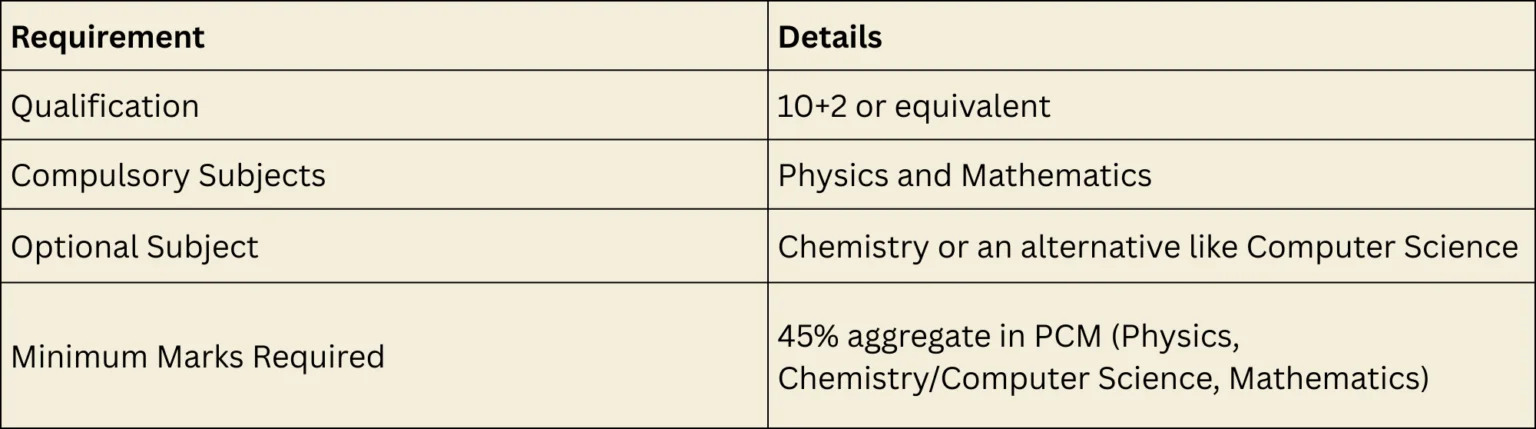
10+2 or equivalent examination from a recognized board

Students who have completed their higher secondary education (Class 12) from any recognized educational board in India are eligible to apply. This includes:

  • Central Board of Secondary Education (CBSE)
  • Indian Certificate of Secondary Education (ICSE)
  • State boards from all Indian states
  • National Institute of Open Schooling (NIOS)
  • International boards (with equivalence certification)

Compulsory Subjects

  • Physics and Mathematics are mandatory subjects in your 10+2 examination.
  • Physics: Provides the fundamental understanding of mechanics, thermodynamics, fluid dynamics, and principles essential for both aircraft design and maintenance.
  • Mathematics: Develops the analytical and problem-solving skills crucial for engineering calculations, structural analysis, and aerodynamic computations.

These subjects form the backbone of aeronautical engineering and aviation maintenance, making them non-negotiable requirements.

Optional Subject

Chemistry OR an alternative like Computer Science

Students must have studied ONE of the following as their third subject:

  • Chemistry: Understanding material properties, corrosion, fuel chemistry, and chemical processes in aviation systems.
  • Computer Science: Programming knowledge, computational skills, and digital literacy increasingly important in modern aircraft systems and avionics.

This flexibility recognizes that students from both traditional PCM (Physics, Chemistry, Mathematics) and modern PCMath (Physics, Computer Science, Mathematics) backgrounds bring valuable perspectives to aviation engineering.

Minimum Marks Required

45% aggregate in PCM/PCMath combination

Students must have achieved at least 45% aggregate marks in their Physics, Chemistry/Computer Science, and Mathematics subjects combined.

Important Notes:

  • Aggregate is calculated based on these three subjects only (not overall percentage)
  • Both CBSE percentage and state board percentages are accepted as per their grading systems
  • Students who have appeared for improvement exams may use improved marks if available before admission
  • Reserved category students may have relaxation in minimum percentage as per government norms

Age Requirements

  • Minimum Age: Typically 17 years at the time of admission
  • Maximum Age: Generally no upper age limit, though most candidates are 17-20 years old

Medical Fitness

DGCA Class II Medical Certificate Required:

Since the program includes AME certification, students must meet DGCA medical standards including:

  • Good general physical health
  • Adequate vision (correctable to 6/6)
  • Normal color vision
  • Satisfactory hearing
  • No serious medical conditions affecting safety-critical work

The medical examination can be completed after admission from DGCA-approved medical examiners.

Comprehensive Curriculum:

The integrated program’s curriculum brilliantly combines engineering theory with practical maintenance training.

Foundation Building

Engineering Fundamentals:
  • Engineering Mathematics I & II (Calculus, Differential Equations, Linear Algebra)
  • Engineering Physics (Mechanics, Thermodynamics, Optics, Wave Motion)
  • Engineering Chemistry (Materials, Electrochemistry, Polymers)
  • Programming in C/C++ and Computer Applications
  • Engineering Graphics and Computer-Aided Drawing
  • Communication Skills and Professional Ethics
Introduction to Aviation:
  • Basics of Aircraft Systems
  • Introduction to Aeronautical Engineering
  • Workshop Practice with Aviation Focus
AME Modules Begin:
  • Module 1: Mathematics (AME Syllabus)
  • Module 2: Physics (AME Syllabus)

Core Engineering + AME Foundation

Aeronautical Engineering Subjects:
  • Engineering Mechanics (Statics and Dynamics)
  • Strength of Materials and Structural Analysis
  • Fluid Mechanics and Thermodynamics
  • Manufacturing Processes and Materials Technology
  • Electrical and Electronics Engineering
  • Introduction to Aerodynamics
AME Theory Modules:
  • Module 3: Electrical Fundamentals
  • Module 4: Electronic Fundamentals
  • Module 5: Digital Techniques/Electronic Instruments
  • Module 6: Materials and Hardware
  • Module 7: Maintenance Practices
Practical Training:
  • Basic workshop skills and aircraft familiarization
  • Tool usage and safety procedures
  • Aircraft handling and servicing

Advanced Aeronautical Engineering + Specialized AME

B.Tech Core Subjects:
  • Aerodynamics I & II (Subsonic and Compressible Flow)
  • Aircraft Structures I & II (Stress Analysis, Structural Design)
  • Aircraft Propulsion (Gas Turbines, Jet Engines)
  • Flight Mechanics and Dynamics
  • Control Systems and Avionics
  • Computational Fluid Dynamics
AME Advanced Modules:
  • Module 8: Basic Aerodynamics
  • Module 9: Human Factors in Aviation
  • Module 10: Aviation Legislation
  • Module 11/13: Aircraft Systems (Hydraulics, Pneumatics, Fuel, Electrical)
Integrated Practicals:
  • Aircraft structural analysis labs
  • Engine testing and performance
  • System troubleshooting
  • Maintenance documentation

Specialization + Comprehensive AME Training

Advanced B.Tech Topics:
  • Advanced Aircraft Design
  • Aerospace Vehicle Design Project
  • Composite Materials and Structures
  • Rocket Propulsion and Space Technology
  • Aircraft Maintenance Engineering (Theory)
  • Helicopter Engineering
  • UAV and Drone Technology
AME Completion Modules:
  • Module 14: Propulsion Systems
  • Module 15: Gas Turbine Engine (Detailed)
  • Module 16: Piston Engine
  • Module 17: Propeller Systems
  • Type-specific aircraft systems training

Major Project Work: Combined project integrating design and maintenance aspects

Industrial Training: First phase of industry exposure at airlines/MRO facilities

Intensive AME Practical + B.Tech Completion

B.Tech Final Year:
  • Capstone Design Project
  • Advanced electives (Green Aviation, Electric Aircraft, Advanced Materials)
  • Seminar presentations
  • Research methodology
AME On-the-Job Training:
  • Extensive practical training at airline maintenance facilities
  • Real aircraft maintenance under supervision
  • Line and base maintenance exposure
  • Documentation and certification procedures
  • DGCA module examination preparation
Professional Development:
  • Placement preparation
  • Industry certifications
  • Soft skills and leadership training

Dual Certification

B.Tech Aeronautical Engineering Degree

Awarded by: University affiliated with SOA Recognition: AICTE-approved, UGC-recognized degree Career Paths: Aircraft design engineer, R&D engineer, aerospace systems engineer, flight test engineer, technical specialist

Enables You To:

  • Design aircraft components and systems
  • Conduct aerodynamic analysis and optimization
  • Develop propulsion systems
  • Perform structural analysis and testing
  • Pursue M.Tech/MS in aerospace engineering
  • Join aerospace research organizations
  • Work in design departments of aircraft manufacturers

DGCA Aircraft Maintenance Engineer License

Issued by: Directorate General of Civil Aviation (DGCA), Government of India Category: Category B (Mechanical and/or Avionics) Recognition: Valid across India; convertible to international licenses (FAA, EASA) with additional requirements

Enables You To:

  • Certify aircraft for flight after maintenance
  • Conduct inspections and issue certificates
  • Authorize component changes and modifications
  • Sign maintenance release documents
  • Work as independent licensed engineer
  • Progress to senior AME roles and management

Career Paths: Line maintenance engineer, base maintenance engineer, quality assurance engineer, technical services engineer, workshop engineer

Career Opportunities

Graduates with dual B.Tech + AME qualifications enjoy unprecedented career flexibility.

Aerospace Manufacturing Companies

Design and Engineering Roles:

  • Aircraft Design Engineer at Boeing, Airbus, Bombardier
  • Systems Engineer developing aircraft subsystems
  • Structural Analysis Engineer
  • Propulsion Engineer
  • Flight Test Engineer

Manufacturing and Quality Roles:

  • Production Engineer overseeing assembly
  • Quality Assurance Engineer with technical depth
  • Manufacturing Engineer optimizing processes
  • Technical Support Engineer bridging design and production

Salary Range: ₹5 to ₹12 lakhs per annum (starting)

Companies: Hindustan Aeronautics Limited (HAL), Mahindra Aerospace, Tata Advanced Systems, international OEMs

Airlines – Engineering and Maintenance

Maintenance Engineering:

  • Licensed Aircraft Maintenance Engineer
  • Line Maintenance Engineer at base airports
  • Base Maintenance Engineer for heavy checks
  • Component Shop Engineer

Technical Services:

  • Fleet Technical Engineer (requires both engineering knowledge and AME license)
  • Engineering Planning and Support
  • Reliability Engineer analyzing aircraft performance
  • Modification and Upgrade Manager

Salary Range: ₹4 to ₹10 lakhs per annum (starting), ₹12 to ₹25 lakhs (experienced)

Airlines: Air India, IndiGo, SpiceJet, Vistara, international carriers

MRO Organizations

Engineering Roles:

  • MRO Engineering Manager
  • Technical Services Engineer
  • Quality Control Engineer
  • Process Development Engineer

Licensed Maintenance:

  • Component Overhaul Engineer
  • Aircraft Maintenance Certifying Staff
  • Workshop Supervisor

Unique Advantage: Your engineering degree qualifies you for planning and management roles while your AME license lets you perform and certify hands-on work.

Salary Range: ₹5 to ₹15 lakhs per annum

Organizations: Air India Engineering Services, GMR Aero Technic, Bird Group, international MRO facilities

Defense and Government

Research and Development:

  • DRDO Scientist in aerospace projects
  • Design and development of military aircraft
  • Systems integration engineer

Operational Roles:

  • Indian Air Force Technical Branch (Engineering + Maintenance background highly valued)
  • Indian Navy Aviation Wing
  • Coast Guard Technical Services

Regulatory Bodies:

  • DGCA Flight Operations Inspector (requires both qualifications)
  • DGCA Airworthiness Inspector
  • Airports Authority of India Technical Positions

Salary Range: As per government pay scales (₹5 to ₹12 lakhs starting, excellent benefits)

Aviation Consultancy and Services

Technical Consulting:

  • Aviation safety consultant
  • Maintenance program developer
  • Technical advisor to airlines/lessors
  • Aircraft acquisition consultant

Unique Edge: Understanding both design principles and maintenance realities makes you invaluable in consulting roles.

Salary Range: ₹6 to ₹20 lakhs per annum (project-based, can be higher)

International Opportunities

Gulf Region:

  • Emirates, Etihad, Qatar Airways (Engineering and Maintenance roles)
  • Salary: $50,000 to $90,000 per annum

Asia-Pacific:

  • Singapore Airlines, Cathay Pacific (Design centers and MRO facilities)
  • Salary: $45,000 to $80,000 per annum

Europe and North America:

  • Airbus, Boeing (Engineering roles)
  • Major airlines and MRO facilities
  • Salary: $60,000 to $110,000 per annum

Note: International work may require license conversion or additional certifications, but your qualifications significantly ease the process.

Entrepreneurship

Start Your Own:

  • Aviation consulting firm
  • Specialized training academy
  • Aircraft modification/upgrade services
  • Drone/UAV design and maintenance company
  • Aviation safety and compliance services

Your dual expertise enables you to handle both technical development and certification aspects of aviation businesses.

Salary Expectations and Growth

Career StageRoles & Salary Range
Starting Salaries (0–2 Years) Engineering Roles:
Aircraft Design / Systems Engineer: ₹5 – ₹9 LPA
Manufacturing / Production Engineer: ₹4 – ₹7 LPA

Maintenance Roles:
Licensed AME: ₹4 – ₹7 LPA
MRO Engineer: ₹4.5 – ₹8 LPA

Dual-Role Positions:
Fleet Technical Engineer: ₹6 – ₹10 LPA
Technical Services Engineer: ₹5.5 – ₹9 LPA
Mid-Career (5–10 Years) Specialized Positions:
Senior Design Engineer: ₹10 – ₹20 LPA
Engineering Manager: ₹12 – ₹22 LPA
Senior Licensed Engineer: ₹10 – ₹18 LPA
Quality Assurance Manager: ₹12 – ₹20 LPA

International Roles:
Mid-level Positions: $65,000 – $95,000 per annum
Senior Level (15+ Years) Leadership Positions:
Chief Engineer / Director Engineering: ₹25 – ₹50 LPA
Head of Maintenance: ₹22 – ₹45 LPA
VP Technical Operations: ₹30 – ₹60 LPA

International Senior Roles:
Senior Management: $100,000 – $150,000+ per annum

Entrepreneurship:
Consulting / Business Ventures: ₹25 LPA – ₹1 Crore+ per annum

Why Choose SOA for the Integrated Program?

Academic Excellence

  • University Affiliation: Degree from recognized university with AICTE approval
  • DGCA Approval: Authorized AME training organization with full DGCA recognition
  • Experienced Faculty: Professors with industry experience, DGCA-approved instructors
  • Quality Curriculum: Regularly updated to reflect industry trends and requirements

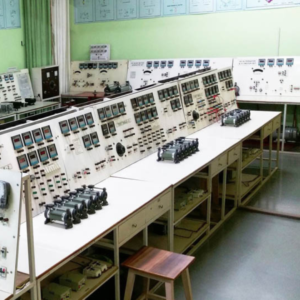
Infrastructure Advantage

Engineering Facilities:

  • Aerodynamics laboratories with wind tunnels
  • Structures testing laboratories
  • Propulsion testing facilities
  • CAD/CAM centers with industry-standard software (CATIA, ANSYS, MATLAB)
  • Computational laboratories for CFD and FEA

AME Training Infrastructure:

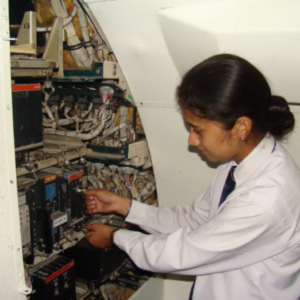
  • Actual aircraft for hands-on training
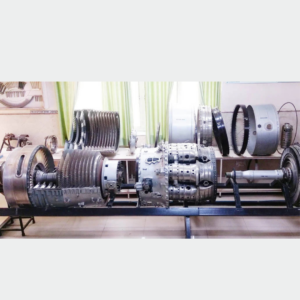
  • Gas turbine and piston engines
  • Complete aircraft systems (hydraulic, pneumatic, electrical)
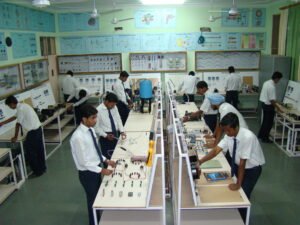
  • Avionics training equipment
  • Licensed maintenance tools and equipment
  • NDT (Non-Destructive Testing) laboratory

Combined Benefits: Students learn to design systems in engineering labs, then maintain those same systems in AME workshops a unique pedagogical advantage.
Industry Integration

Partnerships:

  • Airline collaborations for OJT placements
  • MRO facility tie-ups for practical training
  • Aircraft manufacturer academic partnerships
  • Defense organization connections

Exposure Opportunities:

  • Industrial visits to aircraft factories, airlines, MRO facilities
  • Guest lectures by industry experts
  • Live projects with aerospace companies
  • Internships during program duration
  • Participation in aerospace competitions (SAE Aero Design, Boeing competitions)

Placement Excellence

Dedicated Placement Cell:

  • Resume building and interview preparation
  • Technical skill enhancement workshops
  • Soft skills and personality development
  • Mock interviews and aptitude training

Recruitment Partners:

  • Leading airlines (Air India, IndiGo, SpiceJet, Vistara)
  • Aircraft manufacturers (HAL, private aerospace firms)
  • MRO organizations (domestic and international)
  • Defense establishments
  • Aviation consulting firms

Track Record:

  • High placement percentages
  • Diverse placement opportunities across engineering and maintenance
  • Competitive salary packages
  • Alumni network support

Holistic Development

Beyond Academics:

  • Technical clubs (SAE, AIAA student chapters)
  • Innovation and entrepreneurship cell
  • Sports and cultural activities
  • Leadership development programs
  • Social responsibility initiatives

Student Support:

  • Mentorship programs
  • Academic counseling
  • Career guidance
  • Hostel facilities
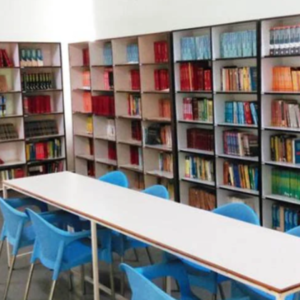
  • Library with extensive aerospace resources

Advantages Over Separate Programs

Time and Cost Efficiency

AspectSeparate ProgramsIntegrated Program
Duration6–7 Years5 Years
Time Saved1–2 Years
Total CostHigher (Two Separate Programs)Lower (Single Integrated Fee)
Opportunity Cost1–2 Years of Lost EarningsEarlier Career Start

Educational Integration

Separate Approach Issues:
  • Repetition of basic subjects
  • Disconnect between theory and practice
  • Two different institutional experiences
  • Gap years between programs
Integrated Advantage:
  • Streamlined curriculum eliminating redundancy
  • Simultaneous theory and practice learning
  • Continuous academic progression
  • Single institution focus

Career Impact

Dual Qualification Benefits:
  • Immediate entry to diverse roles
  • Higher starting salaries
  • Faster career progression
  • Greater job security
  • More negotiation power

Admission Process

Step-by-Step Application

Eligibility Verification Confirm you meet requirements:

  • 10+2 or equivalent from recognized board
  • Physics and Mathematics (compulsory)
  • Chemistry or Computer Science
  • Minimum 45% aggregate in PCM/PCMath


Entrance Examination

  • Appear for JEE Main or state-level engineering entrance exam
  • Some institutions may conduct their own aptitude test
  • Scores determine merit ranking for admission

Online Application

  • Fill online application form
  • Upload required documents
  • Pay application fee
  • Submit application

Counseling

  • Participate in admission counseling based on merit rank
  • Select integrated program option
  • Document verification
  • Provisional seat allocation

Medical Examination

  • Complete DGCA Class II Medical from approved examiner
  • Submit medical certificate

Final Admission

  • Pay program fees
  • Submit all original documents
  • Complete admission formalities
  • Receive confirmation

Required Documents

  • 10th standard mark sheet and certificate
  • 12th standard mark sheet and certificate
  • Transfer certificate from previous institution
  • Character certificate
  • Entrance exam score card (JEE Main/State exam)
  • DGCA medical certificate (can be submitted later)
  • Caste certificate (if applicable for reservations)
  • Passport size photographs
  • Aadhar card and identity proof

Important Dates

Visit the SOA website for:

  • Application opening date
  • Last date for submission
  • Entrance exam schedules
  • Counseling dates
  • Academic session commencement
  • Fee payment deadlines

Salary Expectations and Benefits

Starting Salaries

Fresh AME license holders can expect:

  • Domestic Airlines: ₹3.5 to ₹6 lakhs per annum
  • MRO Facilities: ₹4 to ₹7 lakhs per annum
  • General Aviation: ₹3 to ₹5 lakhs per annum
  • International Positions: $35,000 to $50,000 per annum

Mid-Career (5-10 Years)

With experience and additional type ratings:

  • Senior AME: ₹8 to ₹15 lakhs per annum
  • Specialist Roles: ₹10 to ₹18 lakhs per annum
  • Quality/Planning Roles: ₹12 to ₹20 lakhs per annum
  • International: $55,000 to $80,000 per annum

Senior Level (15+ Years)

Leadership and management positions:

  • Engineering Managers: ₹18 to ₹35 lakhs per annum
  • Chief Engineers: ₹25 to ₹50 lakhs per annum
  • Directors of Maintenance: ₹40 lakhs and above
  • International Senior Positions: $85,000 to $130,000+ per annum

Additional Benefits

  • Performance Bonuses: Annual bonuses based on individual and company performance
  • Overtime Pay: Additional compensation for extra hours worked
  • Free/Discounted Air Travel: Staff travel benefits on airlines
  • Housing Allowances: Especially for international positions
  • Medical Insurance: Comprehensive health coverage
  • Retirement Benefits: Provident fund and pension schemes

Skills and Qualities for Success

Technical Competencies

  • Mechanical Aptitude: Understanding how mechanical systems work and ability to troubleshoot problems systematically.
  • Electrical/Electronic Knowledge: Proficiency with electrical circuits, avionics systems, and electronic troubleshooting.
  • Attention to Detail: Aircraft maintenance demands extreme precision where small oversights can have serious consequences.
  • Manual Dexterity: Good hand-eye coordination and ability to work with tools in confined spaces.
  • Reading and Interpretation: Ability to understand technical manuals, wiring diagrams, and engineering drawings.

Professional Attributes

  • Safety Consciousness: Unwavering commitment to safety procedures and regulations.
  • Problem-Solving Ability: Analytical thinking to diagnose complex problems and implement effective solutions.
  • Physical Fitness: Job requires climbing, lifting, working in various positions, and sometimes in challenging weather conditions.
  • Communication Skills: Clear documentation, effective teamwork, and ability to explain technical issues.
  • Continuous Learning: Aviation technology evolves constantly; staying updated with new systems and procedures is essential.
  • Work Ethics: Punctuality, reliability, and professional integrity are crucial in aviation maintenance.

DGCA Licensing Process

Path to AME License

StepDescription
Step 1 Complete DGCA-Approved Training by successfully finishing both theoretical and practical training at SOA, a DGCA-approved AME training organization.
Step 2 Pass DGCA Module Examinations by clearing written exams for all required modules. Each module can be attempted separately with multiple attempts allowed.
Step 3 Complete On-the-Job Training (OJT) by finishing the required number of OJT hours (varies by category) under supervision at an approved maintenance organization.
Step 4 Obtain Medical Fitness by securing a Class II Medical Certificate from a DGCA-approved medical examiner.
Step 5 Apply for AME License by submitting the application to DGCA along with all certificates, training records, and required documents.
Step 6 Receive AME License after DGCA verification and approval. Upon successful review, DGCA issues the Aircraft Maintenance Engineer License.

Type Ratings and Endorsements

After obtaining your basic license, you can add type ratings for specific aircraft like:

  • Boeing 737, 777, 787
  • Airbus A320, A330, A350
  • ATR 72
  • Embraer E-jets
  • Various helicopter types

Type ratings significantly enhance employability and earning potential.

Industry Trends and Future Outlook

Aviation Industry Growth in India

Market Expansion:

  • India is projected to become the world’s third-largest aviation market by 2030
  • Domestic passenger traffic growing at 8-10% annually
  • Over 1,000 new aircraft orders by Indian carriers in next decade

MRO Sector Growth:

  • Indian MRO market expected to reach $4 billion by 2030
  • Government initiatives to boost domestic MRO capabilities
  • Reduction in MRO services sent abroad

Job Creation: Estimated requirement of 15,000+ AMEs in India over the next 5-7 years to support fleet expansion.

Technological Advancements

Digital Maintenance:

  • Predictive maintenance using AI and machine learning
  • Augmented reality for maintenance procedures
  • Digital twins for aircraft monitoring
  • Blockchain for maintenance records

New Aircraft Technologies:

  • Electric and hybrid-electric aircraft
  • Advanced composite materials
  • More-electric aircraft (reducing hydraulic and pneumatic systems)
  • Sustainable aviation technologies

Career Implications: AMEs need to continuously upgrade skills to work on next-generation aircraft with advanced systems.
Why Choose SOA for Aircraft Maintenance Engineering?

DGCA Approval and Recognition

  • SOA is a DGCA-approved Aircraft Maintenance Engineering training organization
  • Curriculum strictly follows DGCA syllabus and standards
  • Regular audits and inspections ensure quality compliance
  • Students eligible to appear for DGCA module examinations

Multiple Entry Options

  • Accept students from 10+2/Intermediate with PCM
  • B.Sc. graduates with PCM welcome
  • Diploma holders in Mechanical/Electrical/Electronics eligible
  • Flexible pathways accommodate diverse backgrounds

Comprehensive Training Infrastructure

  • Actual aircraft and engines for hands-on training
  • Well-equipped workshops for all maintenance disciplines
  • Modern tools and ground support equipment
  • NDT laboratory with latest testing equipment

Experienced Faculty

  • Instructors with industry experience and DGCA approval
  • Former airline and MRO engineers as trainers
  • Regular guest lectures by industry professionals
  • Mentorship and career guidance

Industry Partnerships

  • Tie-ups with airlines for OJT placements
  • MRO facility collaborations
  • Regular industrial visits and exposure
  • Guest sessions by industry experts

Placement Support

  • Dedicated placement cell for career assistance
  • Campus recruitment drives by airlines and MROs
  • Resume building and interview preparation
  • Alumni network for guidance and opportunities

Affordable Education

  • Competitive fee structure
  • Scholarship opportunities for deserving students
  • Flexible payment options
  • Value for money with comprehensive training

Admission Process

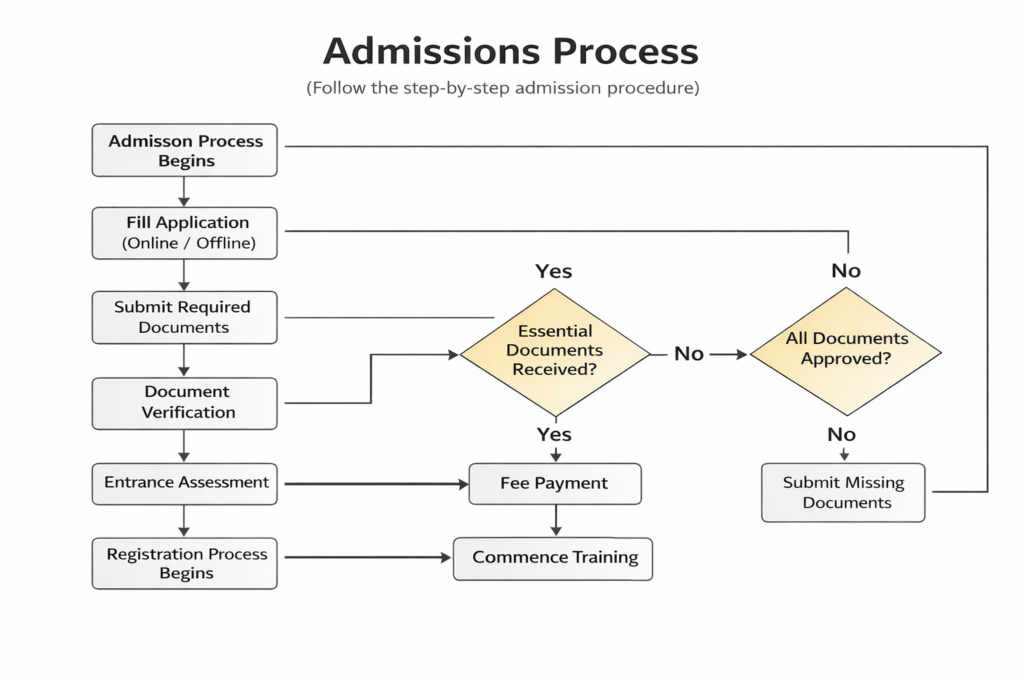
AME admission process flowchart step by step guide

Application Procedure

Step 1: Check Eligibility Verify you meet qualification requirements (10+2/B.Sc./Diploma with required subjects)

Step 2: Submit Application

  • Online application through SOA website
  • Fill personal and educational details
  • Upload required documents

Step 3: Document Verification

  • Submit original certificates for verification
  • 10th and 12th mark sheets/B.Sc. degree/Diploma certificates
  • Transfer certificate
  • Character certificate
  • Medical fitness certificate
  • Passport size photographs

Step 4: Entrance Assessment Some institutions conduct aptitude tests or interviews to assess:

  • English language proficiency
  • Basic mathematics and physics knowledge
  • Communication skills
  • Motivation for aviation career

Step 5: Fee Payment Complete admission by paying required fees as per schedule

Step 6: Medical Examination Undergo DGCA Class II Medical examination from approved medical examiner

Step 7: Commence Training Join orientation program and begin your AME journey

Required Documents

  • 10th and 12th standard mark sheets and certificates (or B.Sc./Diploma certificates)
  • Transfer certificate from previous institution
  • Character certificate
  • Caste certificate (if applicable)
  • Aadhar card and identity proof
  • Passport size photographs
  • Medical fitness certificate

Important Information

Visit https://SOA.org/courses/ for:

  • Detailed fee structure
  • Current admission schedules
  • Training batch commencement dates
  • Downloadable brochures
  • Online application portal
  • Contact information

Future Trends in Aviation

Industry Growth Projections

Indian Aviation Market:

  • Projected to become world’s third-largest aviation market by 2030
  • Over 1,000 new aircraft orders by Indian airlines
  • Rapid expansion of regional connectivity
  • Growth in cargo and business aviation

Global Aerospace:

  • $650+ billion industry continuing to grow
  • Emerging markets driving aircraft demand
  • Defense modernization programs worldwide

Technology Evolution

Areas Requiring Dual Expertise:

Electric and Hybrid Aircraft:

  • Need engineers to design electric propulsion
  • Need AMEs to maintain new systems
  • Your dual qualification positions you perfectly

Autonomous Flight Systems:

  • AI-enabled aircraft requiring engineering knowledge
  • Complex systems needing certified maintenance
  • Integration of software with hardware

Sustainable Aviation:

  • Alternative fuels and green technologies
  • Retrofitting existing fleets
  • Design and certification of eco-friendly modifications

Advanced Materials:

  • Composite aircraft structures
  • Engineering design with new materials
  • Specialized maintenance techniques

Digital Twins and Predictive Maintenance:

  • Engineering modeling and simulation
  • Maintenance data analytics
  • Combining both perspectives essential

Career Future-Proofing

The integrated qualification prepares you for:

  • Emerging roles that don’t yet exist
  • Technological changes in aviation
  • Regulatory evolution
  • New aircraft types and systems
  • Innovation and entrepreneurship opportunities

Students Success Stories

While specific testimonials would be added based on actual SOA alumni, the integrated program typically produces:
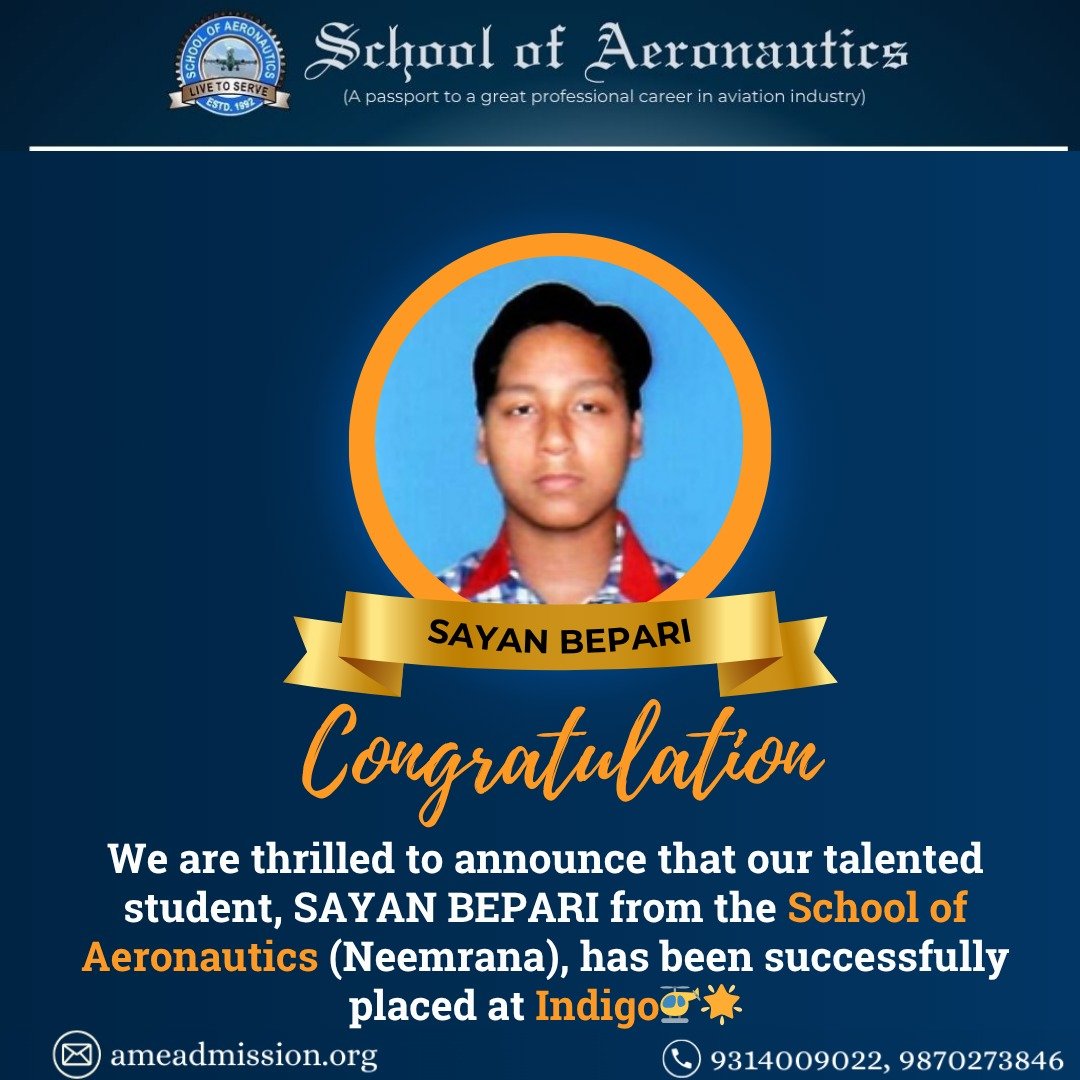
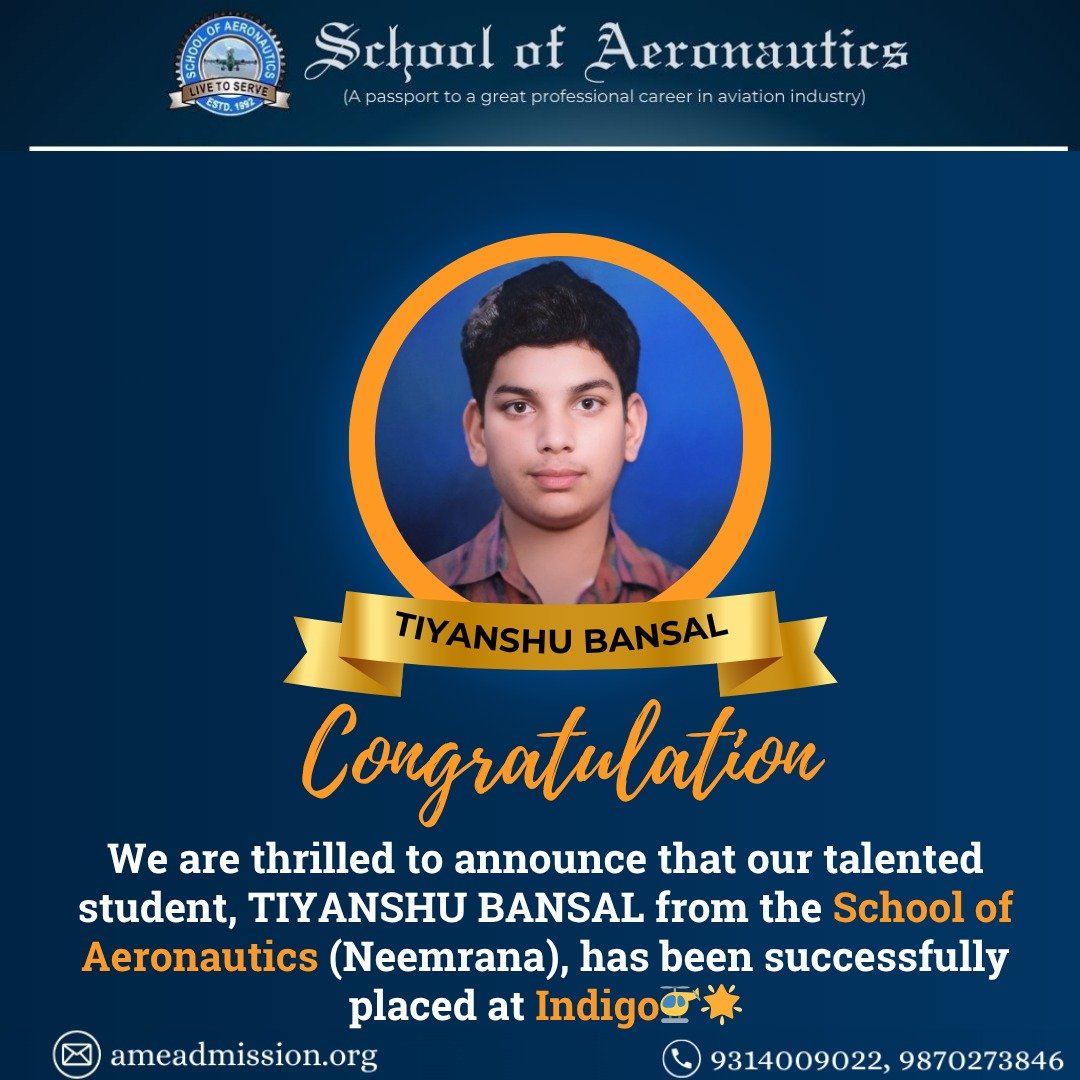
  • Graduates joining Boeing/Airbus design teams
  • Licensed AMEs advancing to engineering management at airlines
  • Entrepreneurs starting aviation consulting firms
  • Researchers pursuing Ph.D. in aerospace engineering
  • Technical leads at major MRO organizations
  • Flight test engineers at aircraft manufacturers

Frequently Asked Questions

The integrated program completes both qualifications in 5 years versus 6-7 years separately. The curriculum is designed to integrate theory and practice simultaneously, eliminating redundancy. You save time, money, and enter the job market earlier with both qualifications.

Yes! You'll receive a B.Tech degree in Aeronautical Engineering from the affiliated university and separately obtain your DGCA AME license after completing all required modules, practicals, OJT, and passing DGCA examinations.

The 45% minimum is standard, though some institutions may have specific provisions or management quota options. Contact SOA admissions directly to discuss your specific case. Reserved category students may have relaxation in the minimum percentage.

Typically, the program offers AME Mechanical stream aligned with aeronautical engineering. Some institutions may offer options check with SOA about stream choices during admission.

The curriculum is intensive but well-structured. Since both programs share foundational subjects and the schedule integrates them efficiently, it's manageable with dedication. The 5-year duration provides adequate time compared to cramming both programs into 4 years.

SOA provides separate hostels for male and female students with comfortable accommodation, mess facilities, Wi-Fi, recreational areas, and security. The campus includes libraries, sports facilities, and student activity centers.

The program is full-time and demanding, especially during practical training phases. Part-time work is generally not recommended as it may affect academic performance. However, internships and industrial training are part of the curriculum.

SOA provides separate hostels for male and female students with comfortable accommodation, mess facilities, Wi-Fi, recreational areas, and security. The campus includes libraries, sports facilities, and student activity centers.

SOA offers merit-based scholarships, need-based financial aid, and government scholarship schemes. Check the website or contact admissions for current scholarship information and eligibility criteria.

Absolutely! Your B.Tech degree qualifies you for postgraduate programs in aerospace engineering, aviation management, or related fields at universities worldwide. Many graduates pursue M.Tech/MS while working as licensed AMEs.

Take Flight with Dual Wings

The Integrated B.Tech (Aero) + Aircraft Maintenance Engineering Program at SOA represents the pinnacle of aviation education—combining theoretical excellence with practical expertise, academic rigor with industry relevance, and engineering innovation with maintenance certification.

In just 5 years, you’ll emerge with qualifications that others take 6-7 years to achieve. You’ll possess the rare combination of design knowledge and maintenance certification that makes you invaluable to employers. You’ll have career flexibility to choose pure engineering, hands-on maintenance, or hybrid roles that leverage both qualifications.

With only 45% aggregate in your 10+2 PCM/PCMath subjects, and with acceptance of both Chemistry and Computer Science students, the program is accessible to motivated students ready to excel in aviation. The combination of Physics and Mathematics as compulsory subjects ensures you have the foundational knowledge to succeed.

India’s booming aviation sector needs professionals like you engineers who understand maintenance realities, and licensed engineers who comprehend design principles. The integrated program at SOA prepares you to be that professional.

Your Journey Starts Now

Visit https://SOA.org/courses/integrated-program-b-tech/ to:
  • Download detailed program brochure
  • Check admission schedules and deadlines
  • Calculate your eligibility percentage
  • Submit online application
  • Schedule campus visit
  • Speak with admission counselors
  • Explore scholarship options
  • Connect with current students and alumni

Don’t choose between engineering and maintenance choose both.
Don’t spend 6-7 years when you can complete it in 5.
Don’t limit your career options when you can multiply them.

Join SOA’s Integrated B.Tech (Aero) + Aircraft Maintenance Engineering Program. Your dual-qualification aviation career awaits!