AME Admission 2026: Complete Guide to Aircraft Maintenance Engineering Admission
What is AME Admission?
AME Admission refers to the enrollment process for Aircraft Maintenance Engineering courses at DGCA-approved training institutes across India. Getting AME admission is the first critical step toward becoming a licensed Aircraft Maintenance Engineer a highly skilled professional responsible for inspecting, maintaining, repairing, and certifying aircraft as airworthy.The AME admission 2026 process has already begun at leading institutes like the School Of Aeronautics (SOACET), offering students the opportunity to join India’s booming aviation sector with excellent career prospects and competitive salaries.Why is AME Admission Important?
Securing AME admission at a DGCA-approved institute is essential because:- Only DGCA-approved institutes can provide training that makes you eligible for the AME license. Quality infrastructure determines your hands-on learning experience with actual aircraft.
- Industry connections of your institute directly impact placement opportunities.
- Early admission ensures you don’t miss out on limited seats (typically 60-100 per institute).
AME Admission Eligibility Criteria 2026
Before applying for AME admission, candidates must verify that they meet the eligibility requirements. The criteria are standardized across most DGCA-approved institutes but may have minor variations.Educational Qualification for AME Admission
Route 1: After 10+2 / Intermediate| Requirement | Details |
| Qualification | 10+2 or equivalent from a recognized board |
| Compulsory Subjects | Physics AND Mathematics |
| Optional Subject | Chemistry OR Computer Science |
| Minimum Percentage | 50% aggregate in PCM / PC+Math |
| Reserved Categories | 45% for SC/ST candidates |
| Boards Accepted | CBSE, ICSE, All State Boards, NIOS |
| Requirement | Details |
| Qualification | Bachelor of Science from a UGC-recognized university |
| Required Subjects | Physics, Chemistry, Mathematics (all three) |
| Minimum Percentage | 50% aggregate in degree |
| Pattern Accepted | Both semester and annual patterns |
| Requirement | Details |
| Qualification | 3-year Engineering Diploma |
| Eligible Branches | Mechanical, Electrical, Electronics, Instrumentation, Telecommunications |
| Recognition | AICTE-approved or State Technical Board |
| Advantage | Possible exemptions and reduced course duration |
Additional Requirements for AME Admission
Age Criteria:- Minimum Age: 16 years completed at the time of admission
- Maximum Age: Generally, no upper limit, though most candidates are between 17-25 years
- DGCA Class II Medical Certificate required eventually
- Can be obtained after provisional AME admission
- Must be from a DGCA-approved Aviation Medical Examiner
- Tests vision (correctable to 6/6), color perception, hearing, and general health
- Indian citizens eligible
- Foreign nationals are eligible (subject to additional documentation and approvals)
- Basic proficiency in reading and writing English
- All DGCA exams, technical manuals, and aviation documentation are in English
AME Admission Process – Step by Step
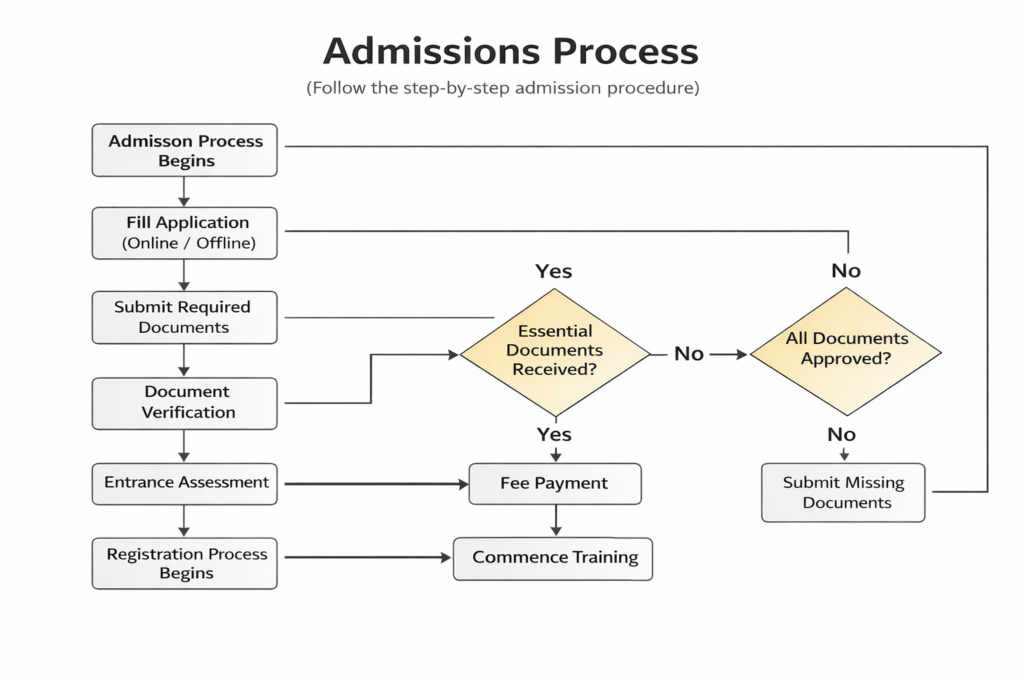
Step 1: Research and Choose DGCA-Approved Institutes
What to Check:- DGCA approval certificate (most important)
- Infrastructure: Does the institute have actual aircraft, engines, and workshops?
- Faculty: Are instructors DGCA-approved and industry-experienced?
- Placement record: What percentage of students get jobs?
- Location and hostel facilities
- School Of Aeronautics (SOACET) www.soacet.org
- Other DGCA-approved organizations across India
Step 2: Check Eligibility Criteria
Verify you meet:- Educational qualification (10+2 PCM 50% / B.Sc. / Diploma)
- Age requirement (minimum 16 years)
- Subject requirements (Physics + Mathematics mandatory)
Step 3: Register for Entrance Exam (If Applicable)
Many institutes conduct entrance examinations for AME admission:For SOACET:- Register at www.soacet.org
- Fill online application form
- Pay application fee (typically ₹500-1,000)
- Download the admit card before the exam date
- Direct admission based on 10+2 merit
- Management quota seats
- NRI/foreign national quota
Step 4: Prepare for and Appear in the Entrance Exam
Exam Pattern (Typical):- Subjects Tested: Physics, Chemistry, Mathematics, English/Aptitude
- Question Type: Multiple Choice Questions (MCQs)
- Duration: 2-3 hours
- Syllabus: Based on 10+2 NCERT curriculum
- Passing Criteria: Institute-specific cut-off marks
- Revise NCERT textbooks (Class 11-12) thoroughly
- Focus on Physics and Mathematics numericals
- Practice previous year question papers
- Take timed mock tests to build speed
- Strengthen weak areas identified in mock tests
Step 5: Check Results and Attend Counseling
After Entrance Exam:- Results published on the institute website (typically 2-4 weeks after exam)
- Merit list prepared based on scores
- Qualified candidates are called for counseling
- Report to the designated venue with original documents
- Document verification by the admission committee
- Seat allocation based on merit rank and availability
- Stream selection (Mechanical B1 or Avionics B2)
- Fee payment options discussed
Step 6: Document Verification
Original Documents Required:| Document | Purpose |
| 10th Mark Sheet & Certificate | Age and basic education proof |
| 12th Mark Sheet & Certificate | Eligibility verification |
| Transfer Certificate | From a previous institution |
| Character Certificate | Conduct verification |
| Passport-size Photographs | 6-8 recent color photos |
| Aadhar Card / ID Proof | Identity verification |
| Domicile Certificate | For state quota (if applicable) |
| Caste Certificate | For reservation benefits (if applicable) |
| Migration Certificate | If from a different state/board |
| Income Certificate | For scholarship eligibility |
Step 7: Fee Payment and Admission Confirmation
Fee Payment Options:- One-time full payment (may include a discount)
- Semester-wise installment plan
- Module-wise payment (for AME programs)
- Education loan (with bank tie-ups)
- Receive provisional admission letter
- Get a student ID card
- Access to the student portal
- Hostel room allocation (if required)
Step 8: Complete Medical Examination
DGCA Class II Medical Certificate:- Must be done at a DGCA-approved medical center
- List of approved doctors provided by the institute
- Cost: ₹2,000-3,000 approximately
- Validity: Regular renewals required during the course
- Vision test (distance and near vision)
- Color vision test (Ishihara plates)
- Hearing assessment
- Blood pressure and heart rate
- General physical examination
Step 9: Join Orientation and Start Classes
Orientation Program:- Introduction to DGCA regulations
- Campus tour and facility explanation
- Faculty introduction
- Course structure overview
- Student handbook distribution
- Hostel rules and regulations
- July-August for the regular batch
- January-February for mid-year batch (some institutes)
Entrance Exams for AME Admission
Understanding which entrance exams are accepted for AME admission helps you plan your application strategy.Institute-Specific Entrance Exams
SOACET (School Of Aeronautics Common Entrance Exam):- Conducted by the School Of Aeronautics
- Application: www.soacet.org
- Exam Mode: Online/Offline
- Subjects: Physics, Chemistry, Mathematics, English
- Eligibility: 10+2 with PCM (50%)
AME CET (Aircraft Maintenance Engineering Common Entrance Test)
About AME CET:- Conducted by a consortium of AME institutes
- Accepted by multiple training organizations
- National-level examination
- Single exam, multiple college options
Direct Admission Without Entrance Exam
Some institutes offer AME admission based on:- 10+2 merit marks (typically 70%+ in PCM)
- Management quota
- Donation/NRI seats
- Diploma/B.Sc. qualification (lateral entry)
- If the entrance exam dates clash
- If you have exceptionally strong 10+2 marks
- If you prefer certainty over competitive exams
AME Admission Dates & Timeline 2026
Planning your AME admission requires knowing important dates and deadlines.Tentative Timeline for AME Admission 2026
| Event | Tentative Period | Action Required |
| Notification Release | December 2025 | Check eligibility criteria |
| Application Opens | January 2026 | Register online, fill form |
| Application Deadline | March 2026 | Submit before the last date |
| Admit Card Release | April 2026 | Download and print |
| Entrance Examination | April 2026 | Appear at the test center |
| Answer Key Publication | April 2026 | Self-assess performance |
| Result Declaration | May 2026 | Check the merit list |
| Counseling/Document Verification | May-June 2026 | Attend with documents |
| Seat Allocation | June 2026 | Accept seat, pay fees |
| Final Admission | June 2026 | Complete formalities |
| Classes Commencement | July-August 2026 | Begin training |
- Dates are tentative; check official institute websites for confirmation
- Early application often receives priority processing
- Limited seats fill quickly during counseling
- Apply by January-February for the best seat availability
- Don’t wait until the March deadline
- Complete the form carefully to avoid rejection
Documents Required for AME Admission
Being prepared with all necessary documents ensures smooth AME admission processing.Essential Documents Checklist
Educational Documents:- [ ] 10th Mark Sheet (original + 2 photocopies)
- [ ] 10th Certificate showing Date of Birth (original + 2 photocopies)
- [ ] 12th Mark Sheet (original + 2 photocopies)
- [ ] 12th Certificate (original + 2 photocopies)
- [ ] Transfer Certificate from the last attended institution
- [ ] Migration Certificate (if from a different state/board)
- [ ] All semester/year mark sheets
- [ ] Degree/Diploma certificate
- [ ] Provisional certificate (if final degree pending)
- [ ] Aadhar Card (original + 2 photocopies)
- [ ] PAN Card (if available)
- [ ] Voter ID / Passport (if available)
- [ ] Domicile Certificate
- [ ] Recent passport-size photographs (6-8 color)
- [ ] Caste Certificate (SC/ST/OBC) from the competent authority
- [ ] Income Certificate (for scholarship eligibility)
- [ ] EWS Certificate (Economically Weaker Section)
- [ ] PWD Certificate (Person with Disability)
- [ ] Character Certificate from the school/college principal
- [ ] Gap Certificate (if a gap year between education)
- [ ] Bonafide Certificate
- [ ] DGCA Medical Certificate (can be submitted later)
- Make multiple photocopies: keep at least 3 sets
- Organize in a folder: separate the original and copies
- Verify signatures: ensure all certificates are properly signed
- Check validity: some certificates have expiry dates
- Scan digital copies: keep PDF backups
AME Course Fees & Financial Aid
Understanding the financial investment is crucial when planning AME admission.AME Course Fee Structure
Fee Components:| Component | Description | Approximate Range |
| Tuition Fees | Classroom instruction, faculty | Varies by institute |
| Practical Training Fees | Workshop, hangar, equipment usage | Included in tuition |
| DGCA Examination Fees | Module exams (17 modules) | ₹500-1,000 per module |
| Infrastructure Fees | Library, labs, digital resources | One-time or annual |
| Development Charges | Campus facilities maintenance | One-time |
| Hostel Fees | Accommodation (optional) | ₹40,000-80,000/year |
| Mess Fees | Food (optional) | ₹25,000-40,000/year |
- Complete AME course fees range from ₹4 lakhs to ₹12 lakhs, depending on:
- Institute reputation and location
- Infrastructure quality
- Included services (hostel, food, etc.)
- Payment plan chosen
Payment Plans for AME Admission
Option 1: One-Time Payment- Pay the entire course fee at admission
- Advantage: Usually 5-10% discount is offered
- Best for: Those with available funds
- Pay every 6 months (4-6 installments total)
- Advantage: Manageable chunks
- Most popular option
- Pay once per year (2-3 payments)
- Advantage: Balance between discount and flexibility
- Bank pays institute; you repay the bank with interest
- Advantage: Start repayment after getting a job
- Moratorium period during the course
Scholarships for AME Admission
Merit-Based Scholarships:| Criteria | Scholarship Amount |
| 10+2 Marks 90%+ | Up to 50% tuition waiver |
| 10+2 Marks 80-90% | Up to 30% tuition waiver |
| Entrance Exam Top 10 Ranks | Up to 40% tuition waiver |
- For students from economically weaker sections
- Requires income certificate (family income < ₹2.5 lakhs/year)
- 20-30% fee concession possible
- SC/ST Post-Matric Scholarship
- OBC Post-Matric Scholarship
- Minority Community Scholarships
- PM’s Special Scholarship Scheme
- Each state has specific schemes
- Varies by domicile
- Check your state education department website
- Apply during the AME admission process
- Submit required income/category certificates
- Fill scholarship application forms
- Renewal is required annually based on academic performance
Education Loan for AME Admission
Bank Partnerships: Most AME institutes have tie-ups with:- State Bank of India (SBI)
- HDFC Bank
- ICICI Bank
- Axis Bank
- Punjab National Bank (PNB)
- Amount: Up to 100% of course fees
- Interest Rate: 9-12% per annum
- Repayment Period: 5-7 years after course completion
- Moratorium: During course + 6-12 months
- Processing Fee: Often waived for educational institutes
- Admission letter from the institute
- Fee structure document
- Income proof of parents/guardians
- Property documents (for collateral, if required)
- Co-applicant details
- Get a provisional admission letter
- Approach the bank with documents
- Loan application processing (2-3 weeks)
- Sanction letter received
- Amount disbursed directly to the institute
Top Institutes for AME Admission
Choosing the right institute for AME admission significantly impacts your training quality and career prospects.Factors to Consider When Choosing an Institute
- DGCA Approval (Non-Negotiable):
- Verify current DGCA approval status
- Check for any compliance issues
- Ensure approval for both B1 (Mechanical) and B2 (Avionics) if offering both
- Infrastructure Quality:
- Actual aircraft availability (not just mockups)
- Engine training equipment (gas turbine, piston)
- Workshop facilities (sheet metal, composite, electrical, hydraulic)
- NDT laboratory with modern equipment
- Computer labs with aviation software
- Faculty Credentials:
- DGCA-approved instructors
- Industry experience of teaching staff
- Student-teacher ratio (lower is better)
- Availability of mentorship
- Placement Track Record:
- Percentage of students placed (aim for 75%+)
- Companies recruiting from the campus
- Average salary package
- Alumni network strength
- Location & Accessibility:
- Proximity to airports (for OJT opportunities)
- Hostel facilities (for outstation students)
- Safety and security of the area
- Transportation connectivity
- Fee Structure vs Value:
- Compare total cost including hidden charges
- Scholarship and loan availability
- Payment flexibility
- Return on investment
School Of Aeronautics (SOACET)
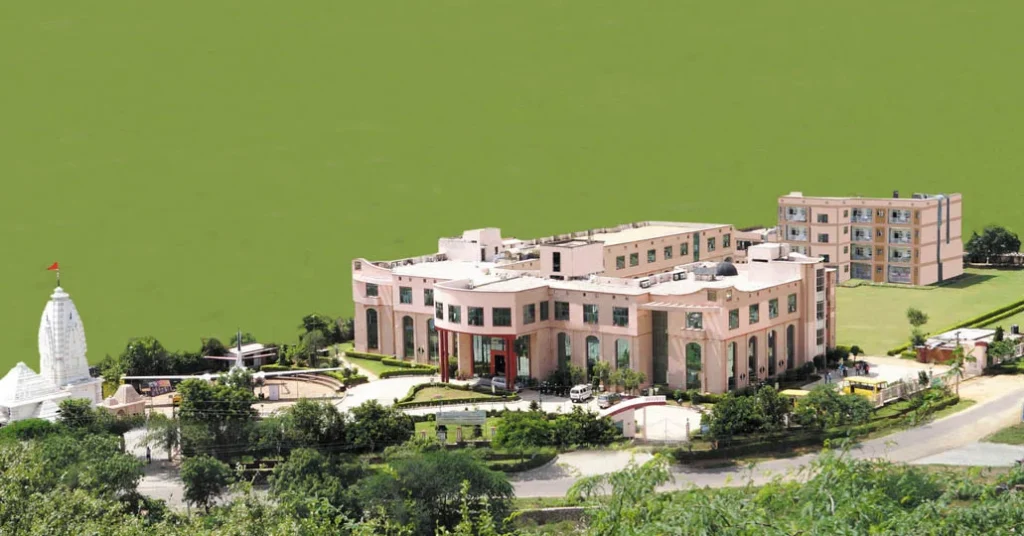
- Application: www.soacet.org
- Entrance Exam: SOACET 2026
- Direct Admission: Available based on merit
- Contact: admissions@soacet.org
Career Scope After AME Admission
Understanding career prospects helps you make an informed decision about pursuing AME admission.Employment Opportunities for AME Graduates
Domestic Opportunities:Airlines (Primary Employer):- Line Maintenance Engineer (₹3.5-6 Lakhs starting)
- Base Maintenance Engineer (₹4-7 Lakhs)
- Component Shop Engineer (₹4-8 Lakhs)
- Quality Assurance Engineer (₹5-9 Lakhs)
- Technical Services Engineer (₹6-12 Lakhs)
- Aircraft Certifying Staff (₹4-8 Lakhs)
- Engine Overhaul Specialist (₹5-10 Lakhs)
- Avionics Technician (₹4-9 Lakhs)
- NDT Inspector (₹3.5-7 Lakhs)
- Production Quality Engineer at HAL (₹4.5-8 Lakhs)
- Customer Support Engineer (₹5-10 Lakhs)
- Flight Test Support (₹6-12 Lakhs)
- Indian Air Force Technical Branch (₹5-8 Lakhs + benefits)
- Indian Navy Aviation Wing
- Coast Guard Aircraft Maintenance
International Career Opportunities
Gulf Region (Highest Demand):| Airline | Location | Salary Range (Annual) |
| Emirates | Dubai, UAE | $40,000 – $70,000 (Tax-Free) |
| Etihad Airways | Abu Dhabi | $38,000 – $65,000 |
| Qatar Airways | Doha, Qatar | $40,000 – $68,000 |
| Saudi Arabian Airlines | Riyadh | $35,000 – $60,000 |
| Gulf Air | Bahrain | $32,000 – $55,000 |
- Singapore Airlines: $35,000-60,000
- Cathay Pacific (Hong Kong): $38,000-62,000
- Malaysia Airlines: $30,000-55,000
- Lufthansa Technik: €40,000-65,000
- Air France KLM Engineering: €38,000-60,000
- British Airways Engineering: €42,000-68,000
Salary Progression Timeline
Career Growth After AME Admission:- Year 0-2: Junior AME
- Salary: ₹3.5-6 Lakhs/year
- Role: Line maintenance, supervised work
- Year 3-5: Licensed AME
- Salary: ₹8-12 Lakhs/year
- Role: Independent certification authority
- Year 6-10: Senior AME
- Salary: ₹12-25 Lakhs/year
- Role: Complex repairs, type ratings, leadership
- Year 10-15: Engineering Manager
- Salary: ₹25-45 Lakhs/year
- Role: Team management, planning, and quality
- Year 15+: Director/Chief Engineer
- Salary: ₹40-70 Lakhs/year
- Role: Fleet management, strategic decisions
- Aircraft type ratings (Boeing 737, Airbus A320): +30-50% salary
- Dual license (B1 + B2): +40-60% salary
- International experience: 3-5x domestic equivalent
- Additional qualifications (B.Tech, MBA): Faster management progression