Get free expert guidance on aviation careers and choose the right path after 12th.
Book Free Counselling
Confused about AME, Aeronautical, or Aerospace Engineering? You’re not alone. Over 10,000 students make the wrong aviation course choice every year — don’t be one of them.
Every year, thousands of students pass 12th with PCM and dream of a career in aviation. But they often take the first course they hear about not the one that’s actually right for them. That’s where aviation counselling changes everything.
Aviation counselling is a structured, expert-guided process where a trained counsellor evaluates your interests, strengths, goals, and financial situation and maps them to the aviation career path that suits you best. It’s like having an experienced navigator before you take your first flight.
A student who picks the wrong course wastes 2–4 years, lakhs of rupees, and more importantly their prime career-building years. Many students drop out mid-course because they realised it wasn’t what they expected. Expert aviation career guidance prevents this entirely.
“A student came to me after spending ₹8 lakhs on an Aeronautical Engineering degree only to realise he actually wanted hands-on aircraft work, not office-based design. He should have been in AME. Two years lost. Eight lakhs spent on the wrong path. That conversation changed how I approach every student I counsel.”
Aviation Career Counsellor, 15+ Years Experience
With a booming middle class, rising air passenger traffic, and government push for new airports and MRO facilities aviation jobs in India have never been more in demand. Here’s what the numbers say:
Bottom line for parents and students: Aviation is not a “risky” career it is one of the most recession-resistant, growing, and internationally respected fields a student can enter. The only risk is entering it without proper guidance.
Here is a clear, honest explanation of every major aviation course available after 12th. Read each one carefully or call us to get personalised guidance based on your specific profile.
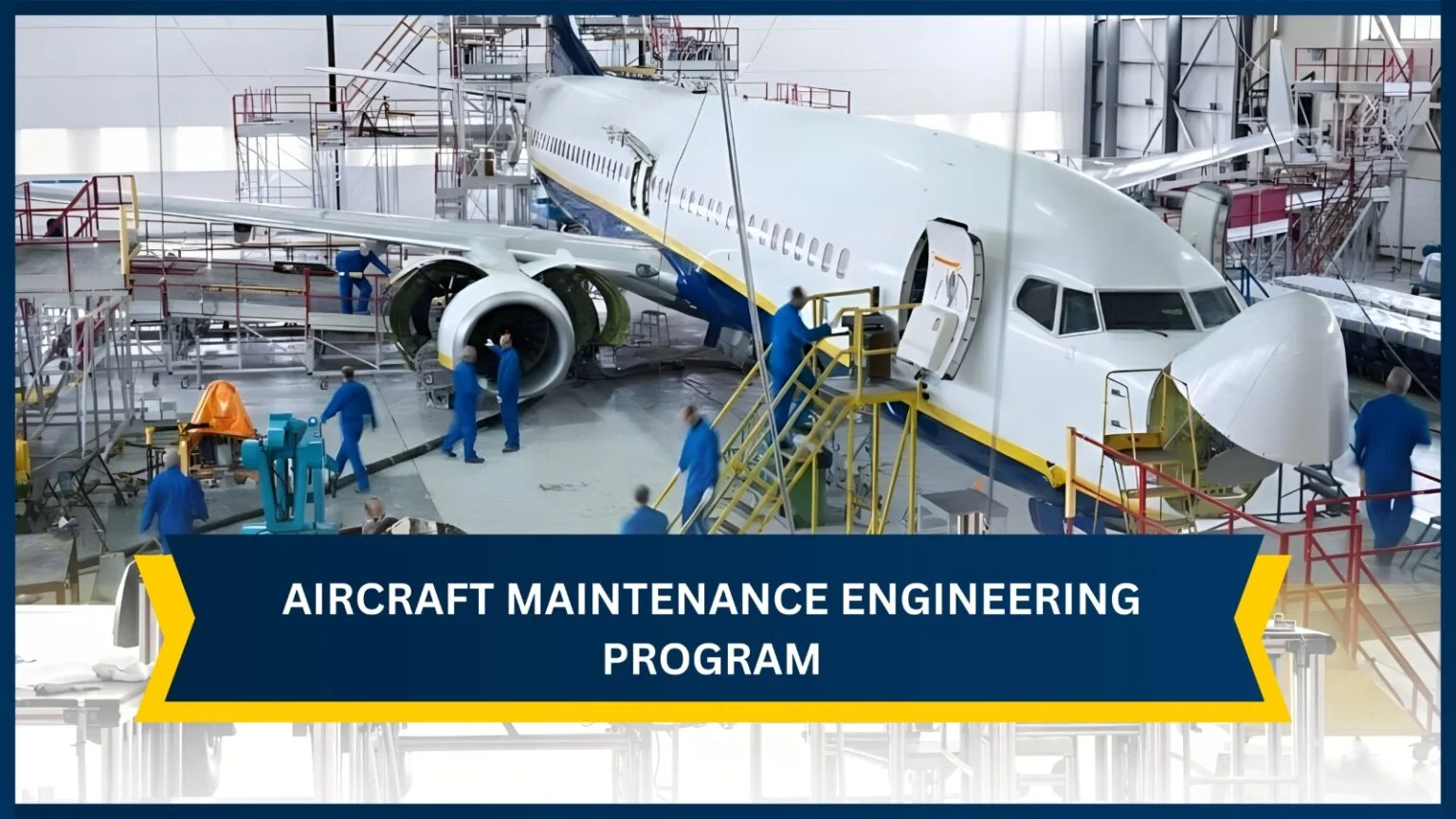
Every aircraft that soars through the sky relies on the expertise of Aircraft Maintenance Engineers (AMEs) to ensure safe, efficient.

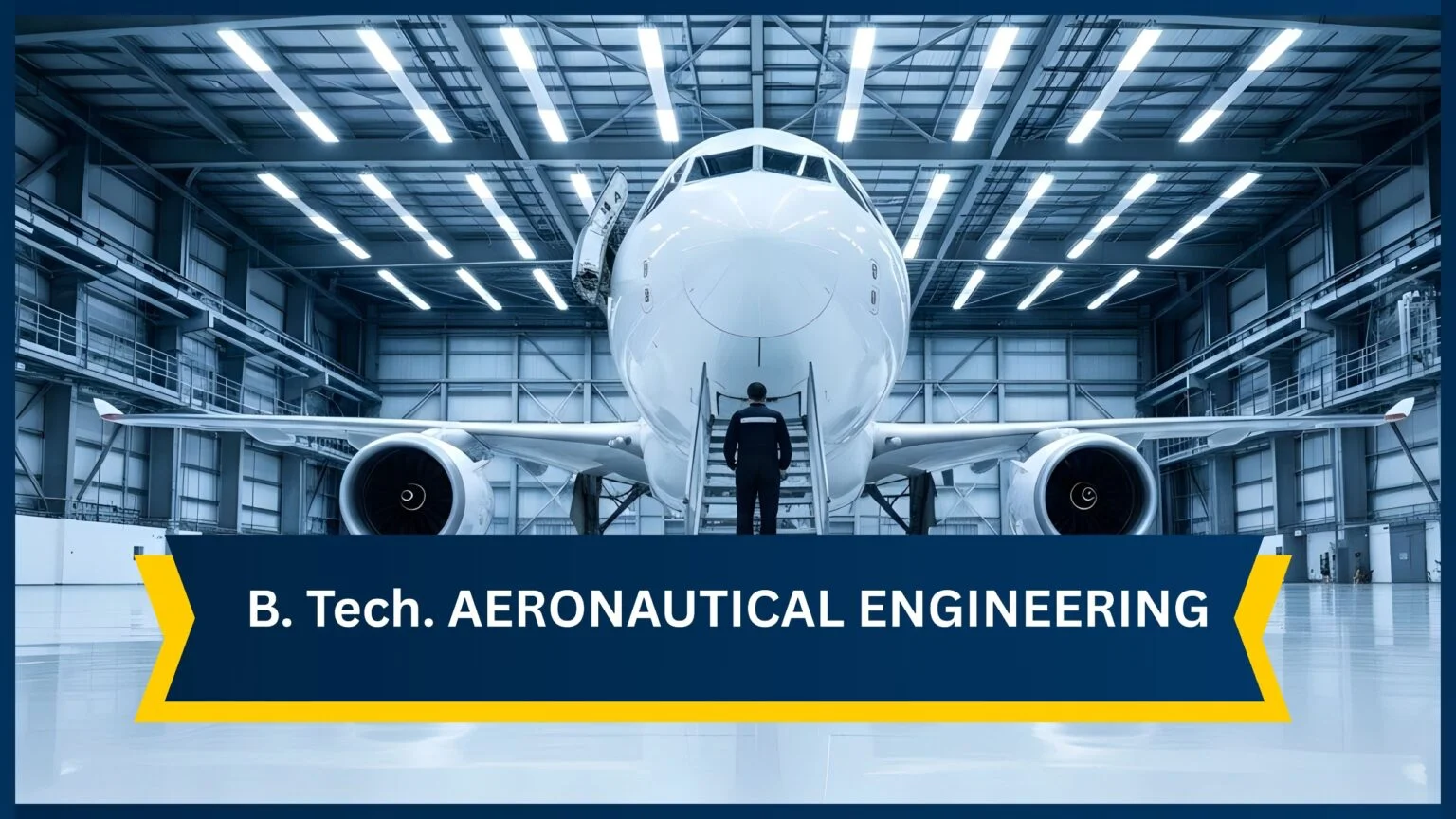
The dream of designing aircraft, spacecraft, and cutting-edge aviation technology begins with the right education.

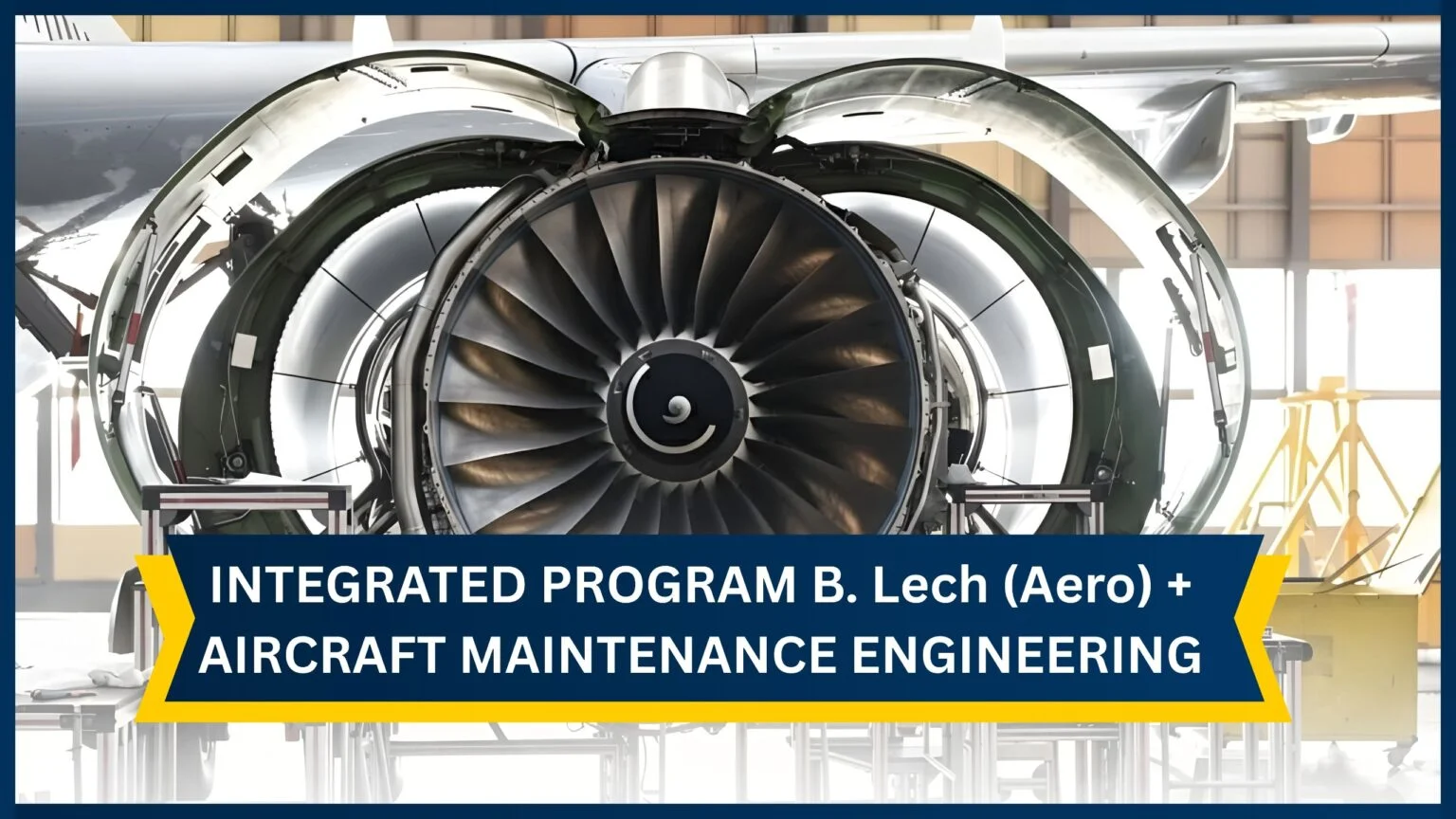
Imagine having both the design expertise of an aeronautical engineer AND the hands-on certification of an Aircraft Maintenance Engineer.
Best For: Students who love working hands-on with machines, want a government-recognised license, prefer job security over research, and aim for stable, high-paying technical careers in airlines or MROs.
This is the most important table on this page. Read it carefully. Most student confusion ends here.
| Parameter | AME | Aeronautical Engineering | Aerospace Engineering |
|---|---|---|---|
| Full Form | Aircraft Maintenance Engineering | Aeronautical Engineering (B.Tech) | Aerospace Engineering (B.Tech) |
| Eligibility | 12th PCM, Min. 50% | 12th PCM + JEE Score | 12th PCM + JEE / ISAT |
| Duration | 3 Years + 1 Year OJT | 4 Years | 4 Years |
| Type of Degree | DGCA License (Not Engineering Degree) | B.Tech / B.E. Degree | B.Tech / B.E. Degree |
| Regulatory Body | DGCA (India) | AICTE / UGC | AICTE / UGC / IIST |
| Primary Focus | Maintaining & Certifying Aircraft | Designing Aircraft & Systems | Aircraft + Spacecraft Design & R&D |
| Work Nature | Hands-on (Hangar & Tarmac) | Mostly Office/Design Based | Highly Research & Theory-Based |
| Practical Training | Extensive on Real Aircraft | Moderate (Lab Simulations) | Limited (Mainly Theoretical) |
| Job Readiness | ✔ Very High (License Required) | ◑ Moderate | ◑ Requires M.Tech/Research |
| Starting Salary | ₹3.5 – 7 LPA | ₹4 – 8 LPA | ₹5 – 9 LPA |
| Salary at 10 Years | ₹15 – 35 LPA | ₹12 – 28 LPA | ₹18 – 40 LPA |
| International Scope | ✔ Very High (Gulf, Europe) | ◑ With PG Abroad | ✔ High (With M.S.) |
| Top Employers | Airlines, MROs, DGCA, Defence | HAL, DRDO, Airbus, Tata | ISRO, DRDO, Space Startups, IIT-led R&D |
| Best For | Practical, Hands-on Learners | Design & PSU Aspirants | Space & Research Enthusiasts |
| Who Should Avoid | Students Who Dislike Field Work | Students Weak in Advanced Mathematics | Students Seeking Quick Employment |
Students who love working hands-on with machines, want a government-recognised license, prefer job security over research, and aim for stable, high-paying technical careers in airlines or MROs.
There is no single “best” aviation course. The right course depends on who you are and what you want. Here’s a simple guide based on student profiles:
If you enjoy fixing things, understanding how machines work, and would rather be in a hangar than behind a desk you're built for AME. The satisfaction of certifying an aircraft as airworthy is unmatched for people like you.
If you enjoy Physics, sketching systems, and imagining how things could be better designed Aeronautical Engineering lets you apply those skills to real aircraft. Combined with a love for PSU careers, this is your path.
Aviation isn’t just pilots and air hostesses. The industry offers hundreds of career paths across sectors here are the major ones:
Biggest employment source in Indian aviation
IAF, Navy, AAI, DGCA Stable, prestigious government careers
With a booming middle class, rising air passenger traffic, and government push for new airports and MRO facilities aviation jobs in India have never been more in demand. Here’s what the numbers say:
An aviation career is a significant investment of time and money. Getting the right guidance before you start isn’t optional it’s essential. Here’s what can happen without it:
A student who liked machines but wasn’t sure between AME and Aeronautical Engineering gets counselled. After a 30-minute session, it’s clear AME suits him. He enrolls, completes training, lands an airline job at ₹4.8 LPA, and is promoted to Senior Engineer in 5 years.
A student chooses Aerospace Engineering because it “sounds good” only to find it requires IIT-level Maths and focuses on theory. Two years in, they struggle and consider dropping out. Proper counselling would have identified this mismatch on day one.
A student enrolls in an AME program at a non-DGCA approved institute to save fees. After 3 years, they cannot appear for the DGCA license exam. Their degree is worthless in aviation. Always verify DGCA approval first and we’ll help you do that.
A student who liked machines but wasn’t sure between AME and Aeronautical Engineering gets counselled. After a 30-minute session, it’s clear AME suits him. He enrolls, completes training, lands an airline job at ₹4.8 LPA, and is promoted to Senior Engineer in 5 years.
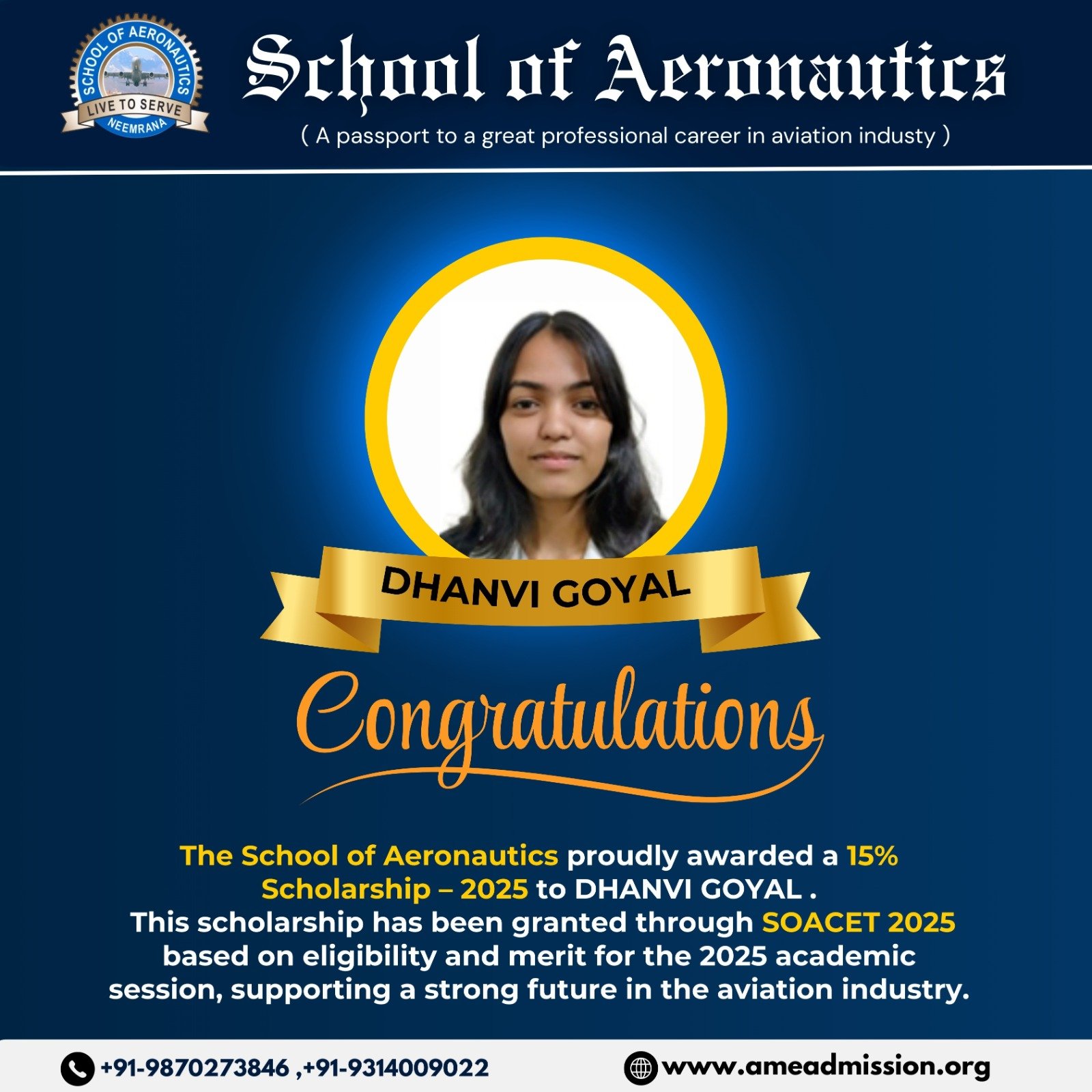
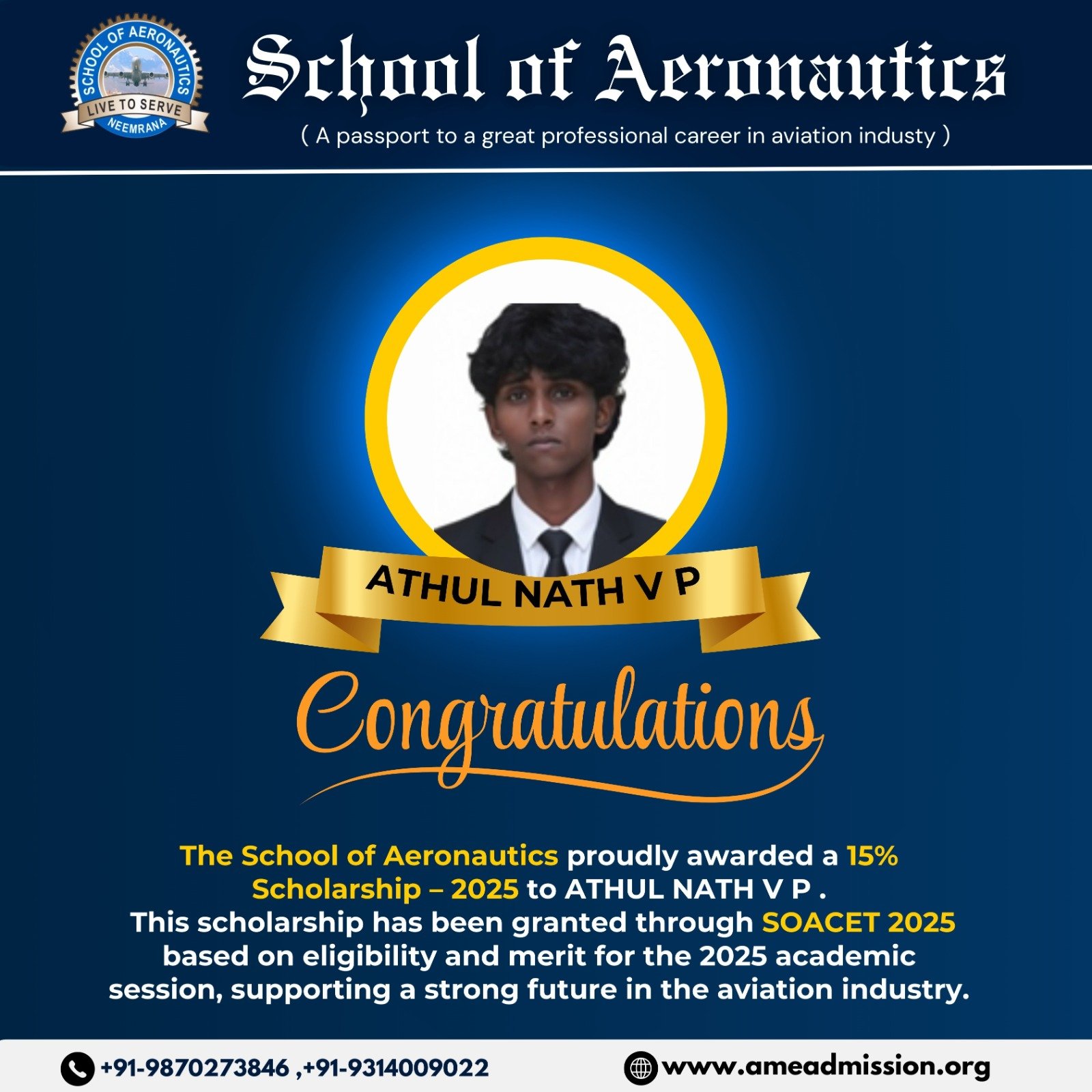
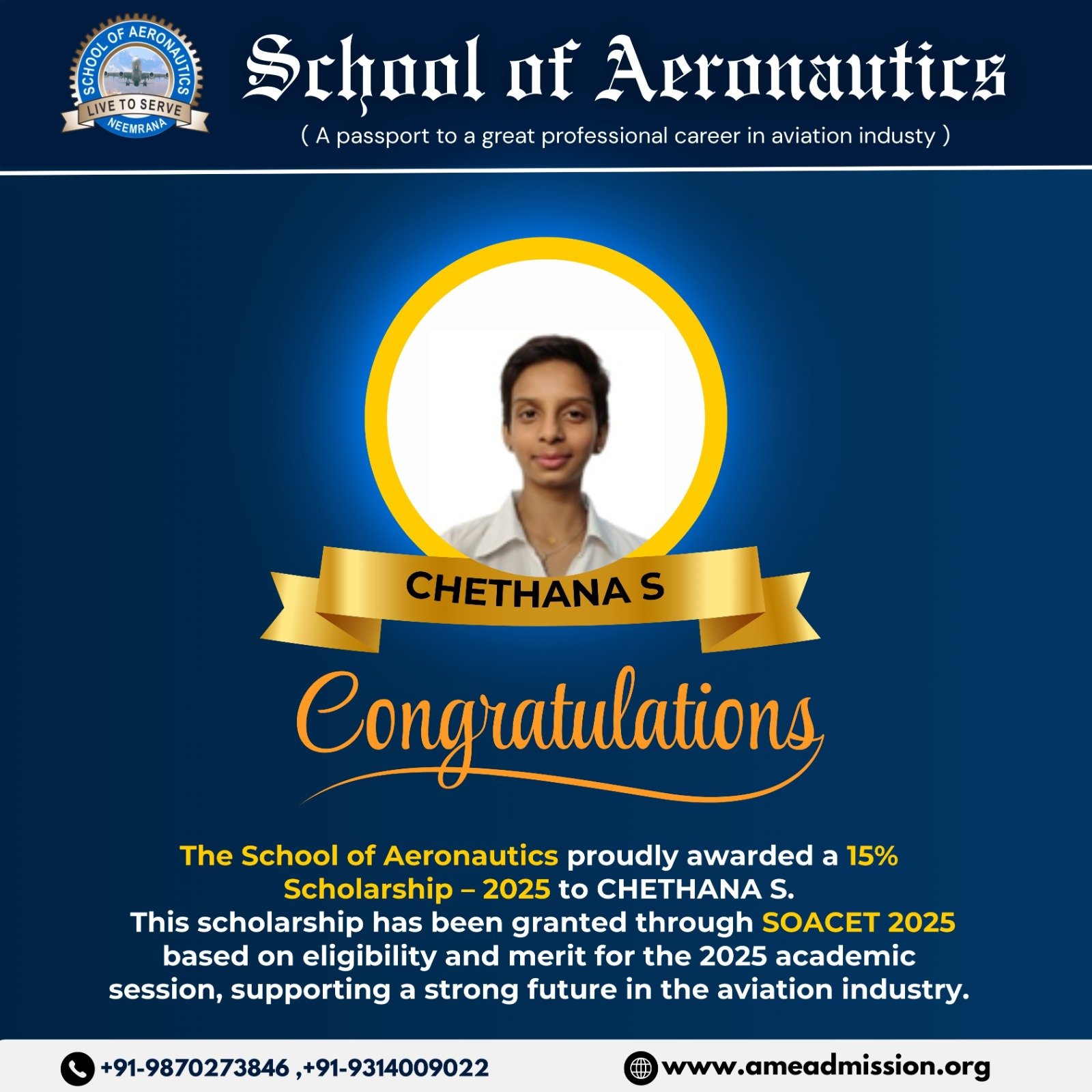
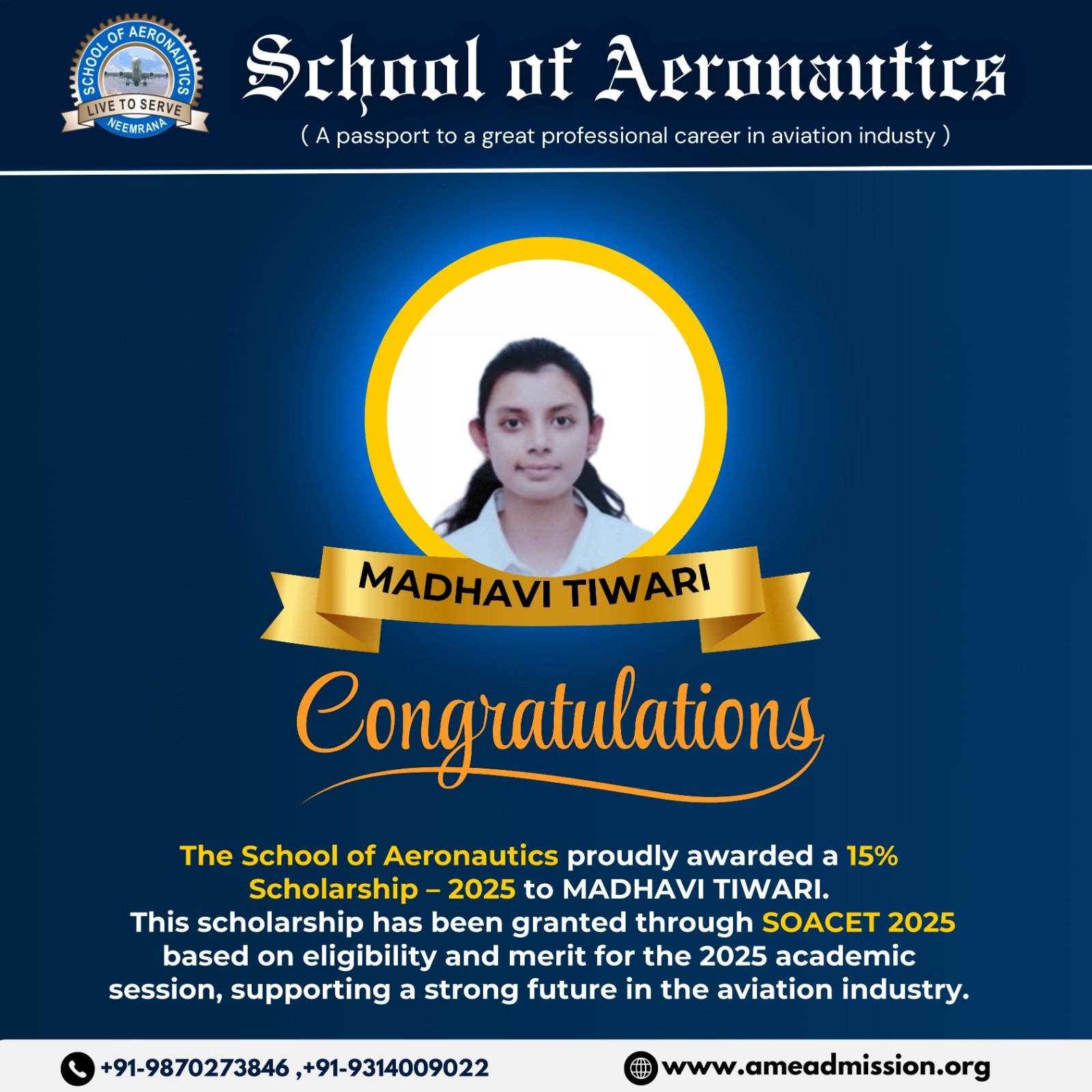
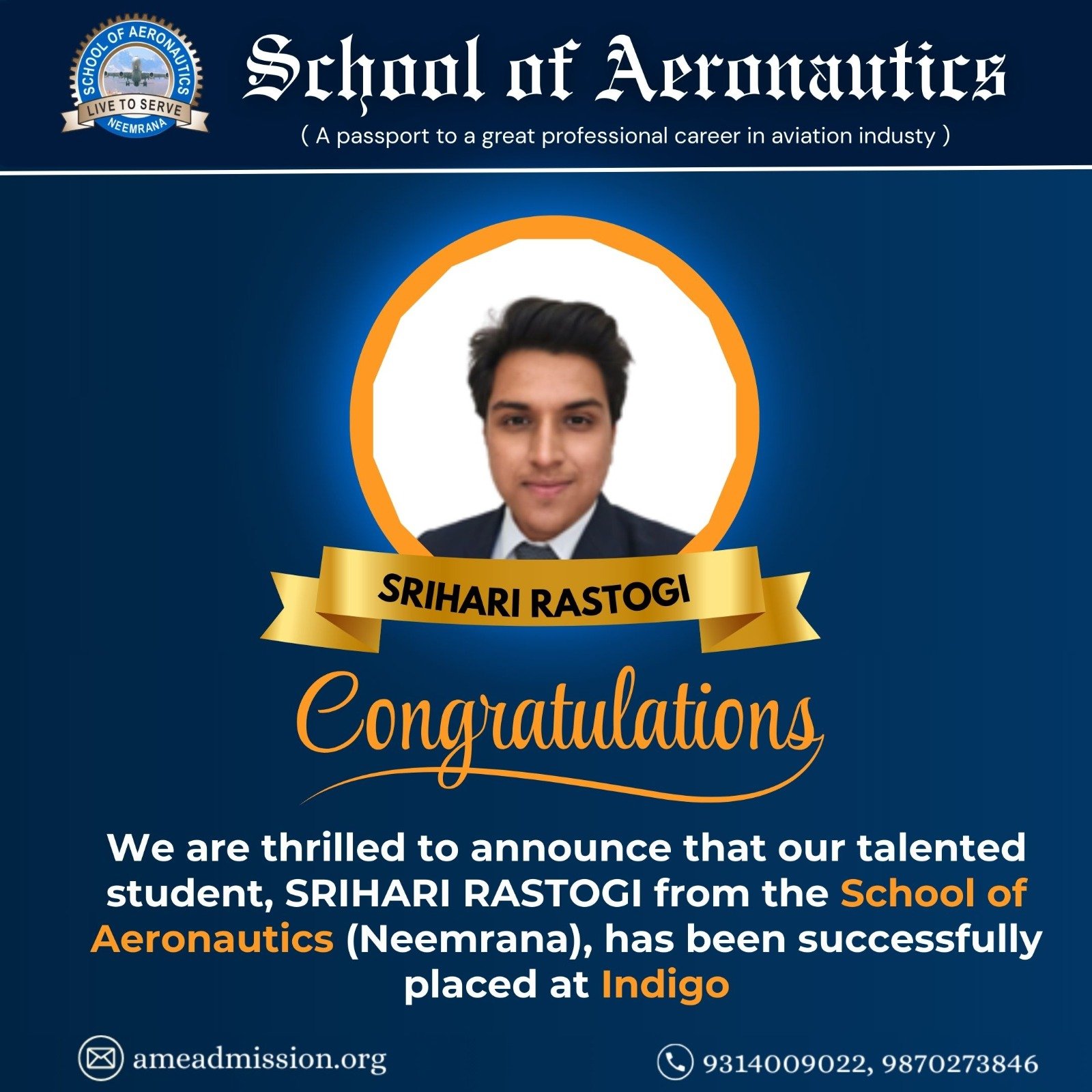
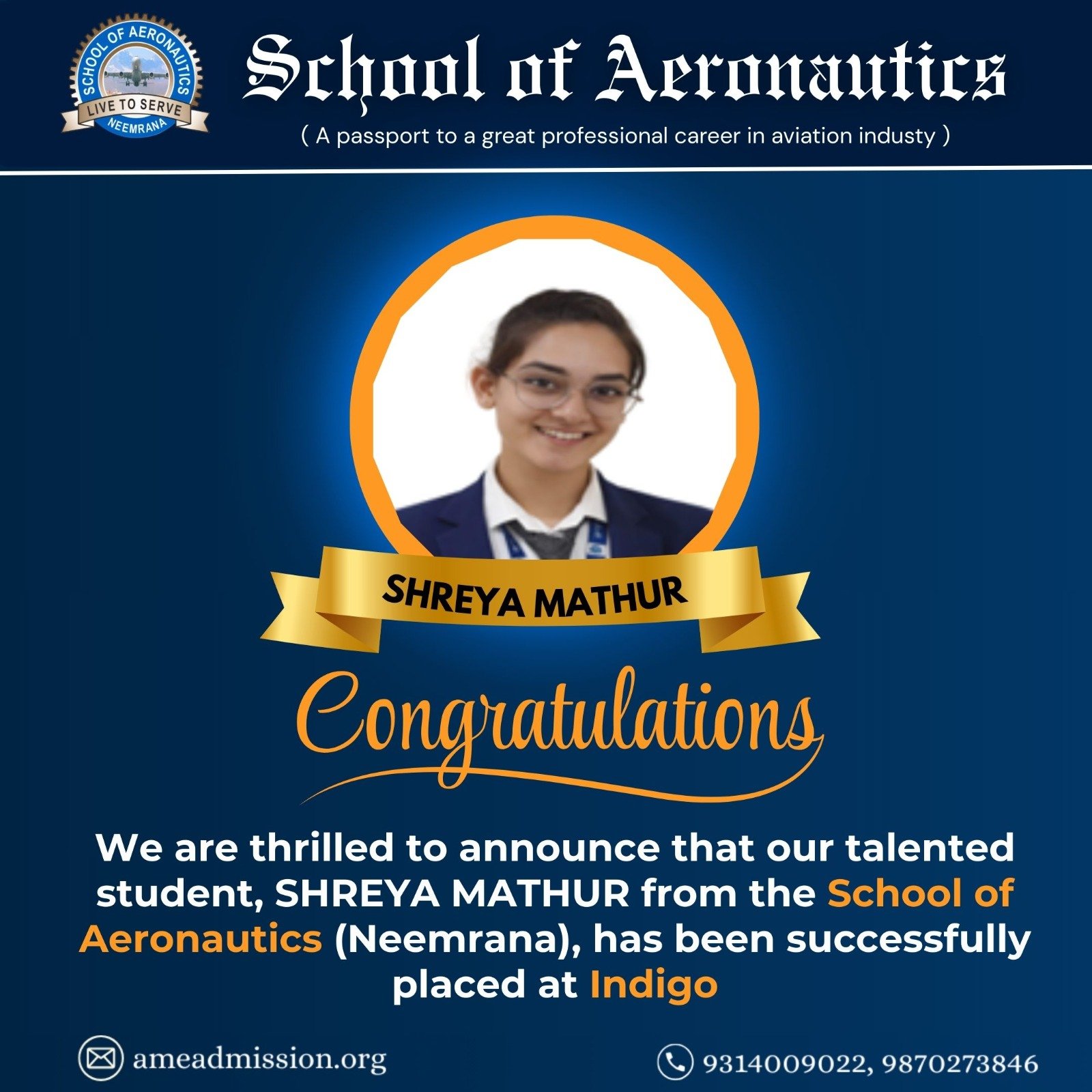
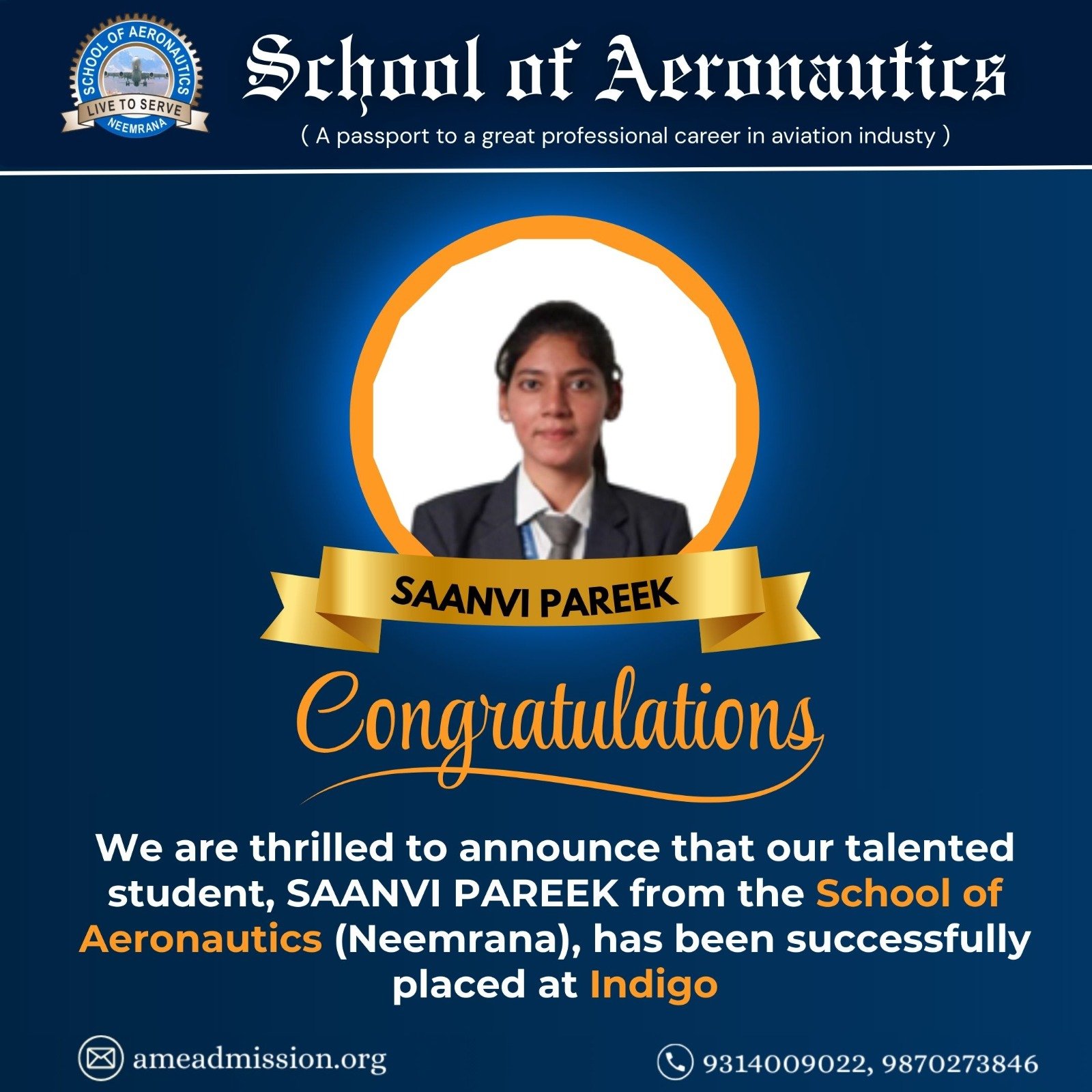
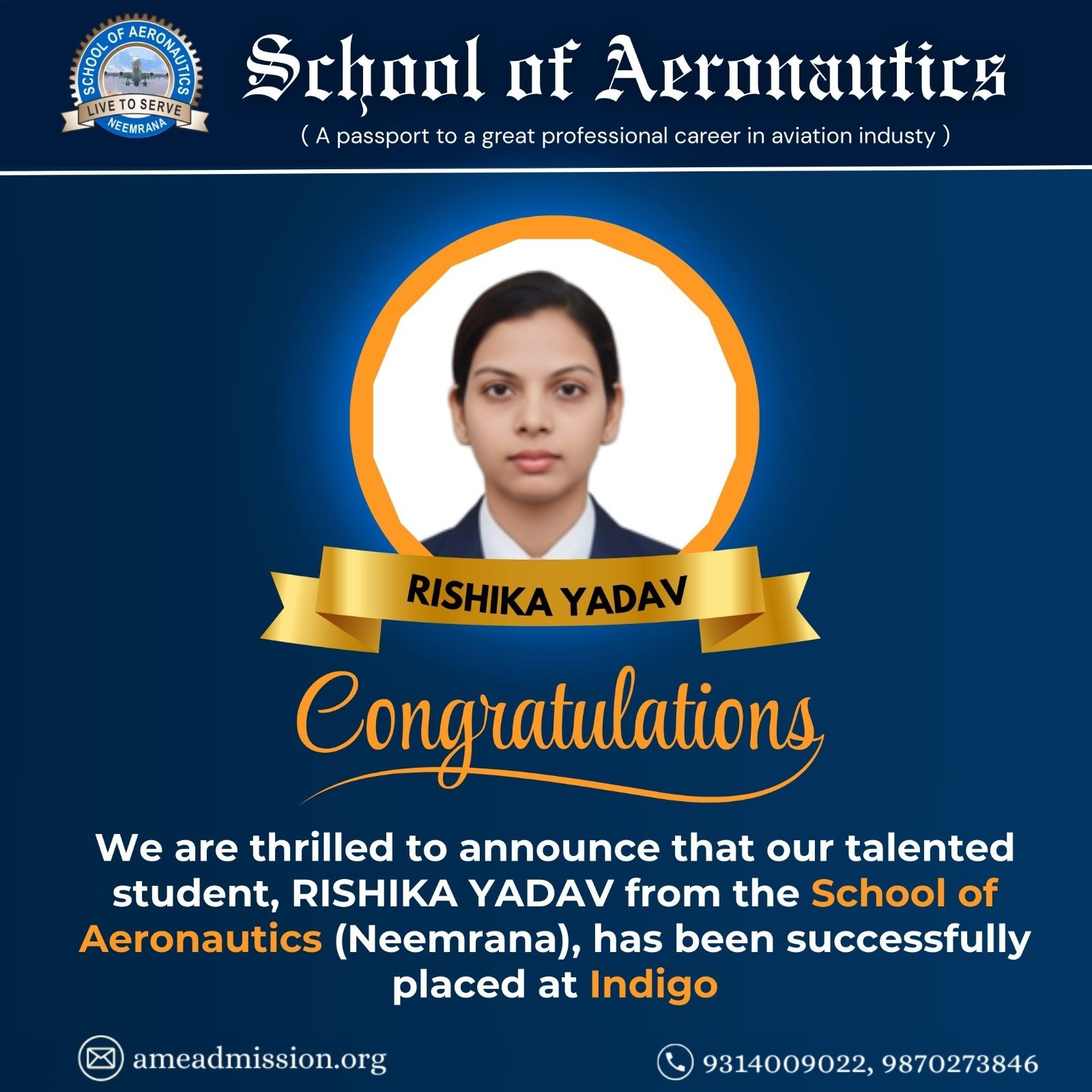
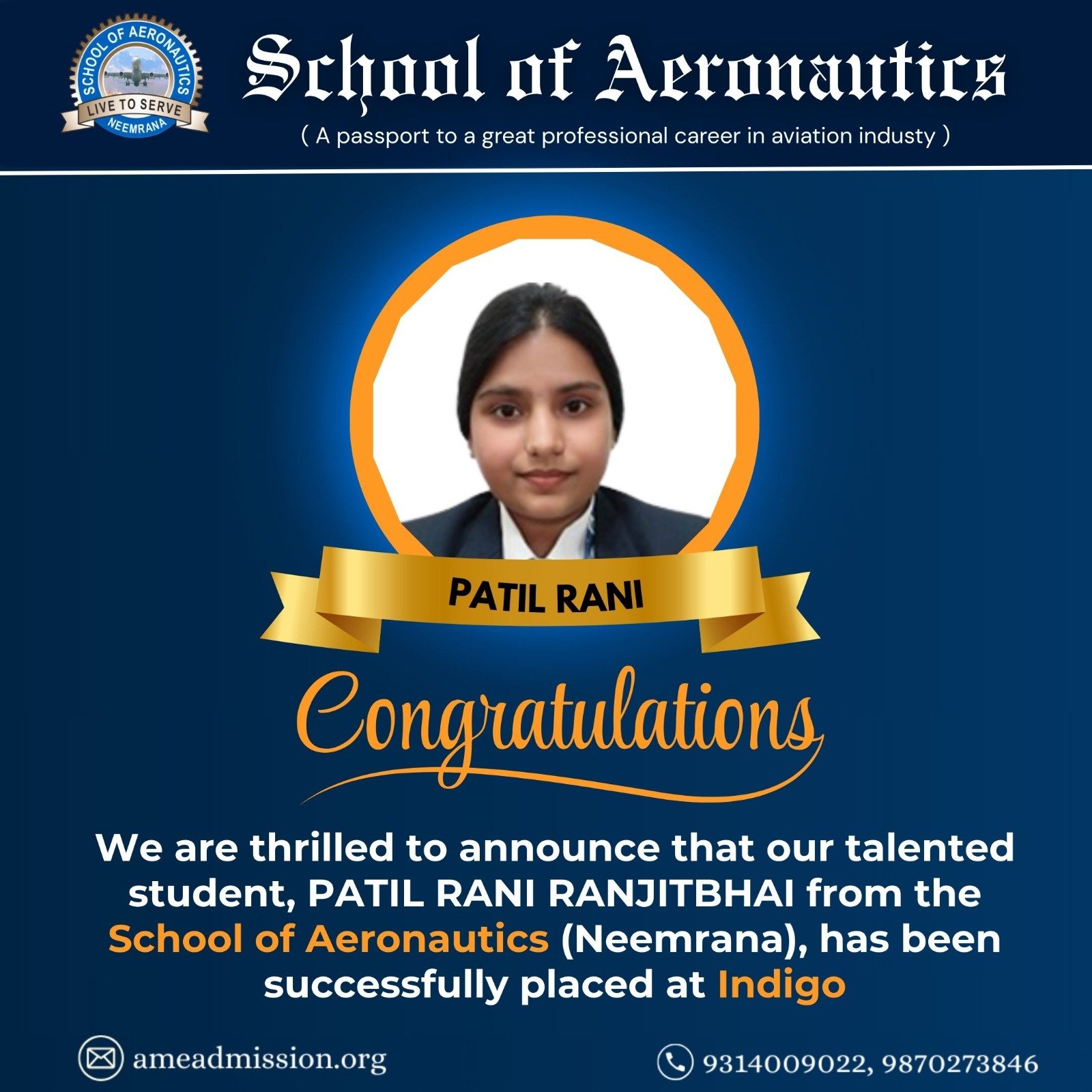
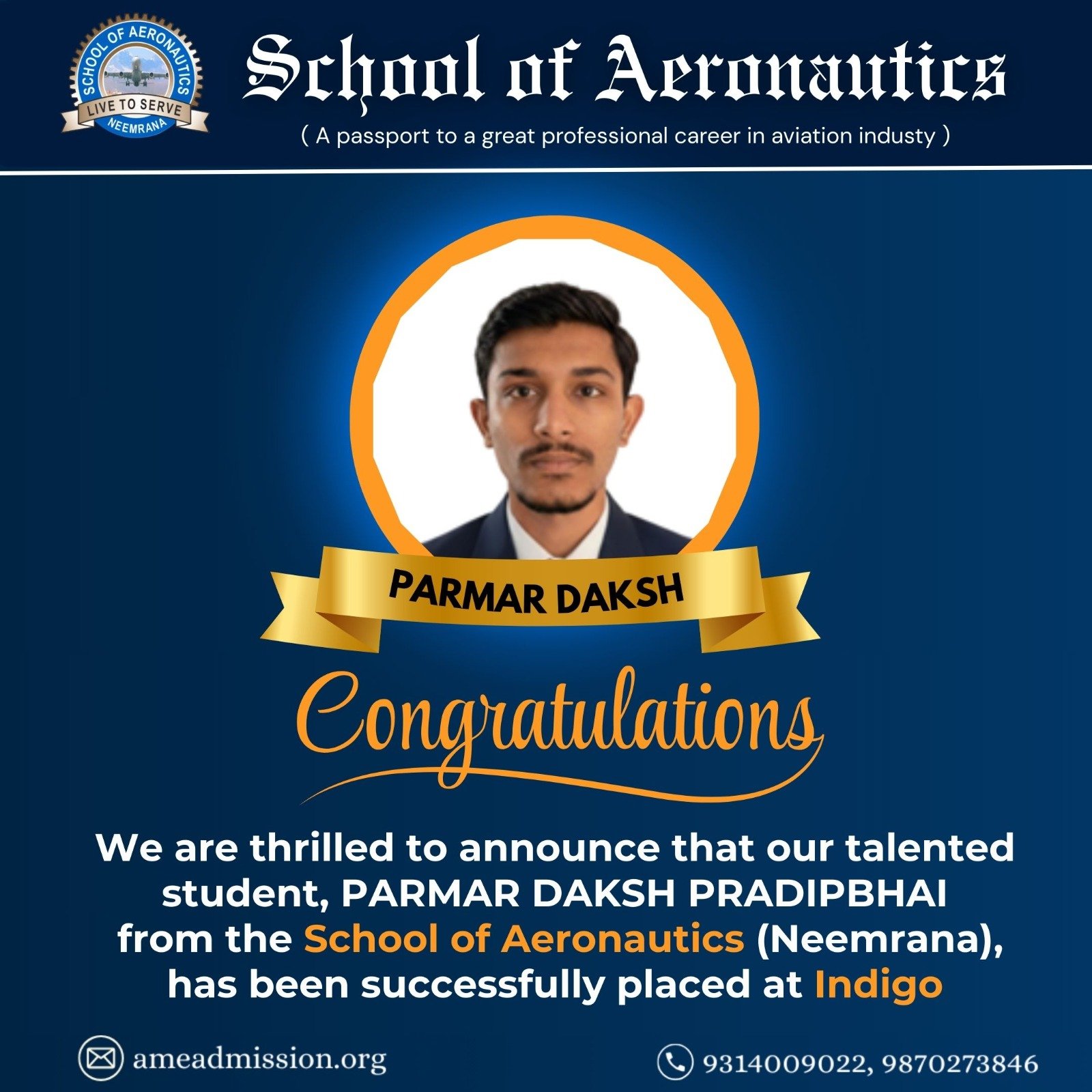
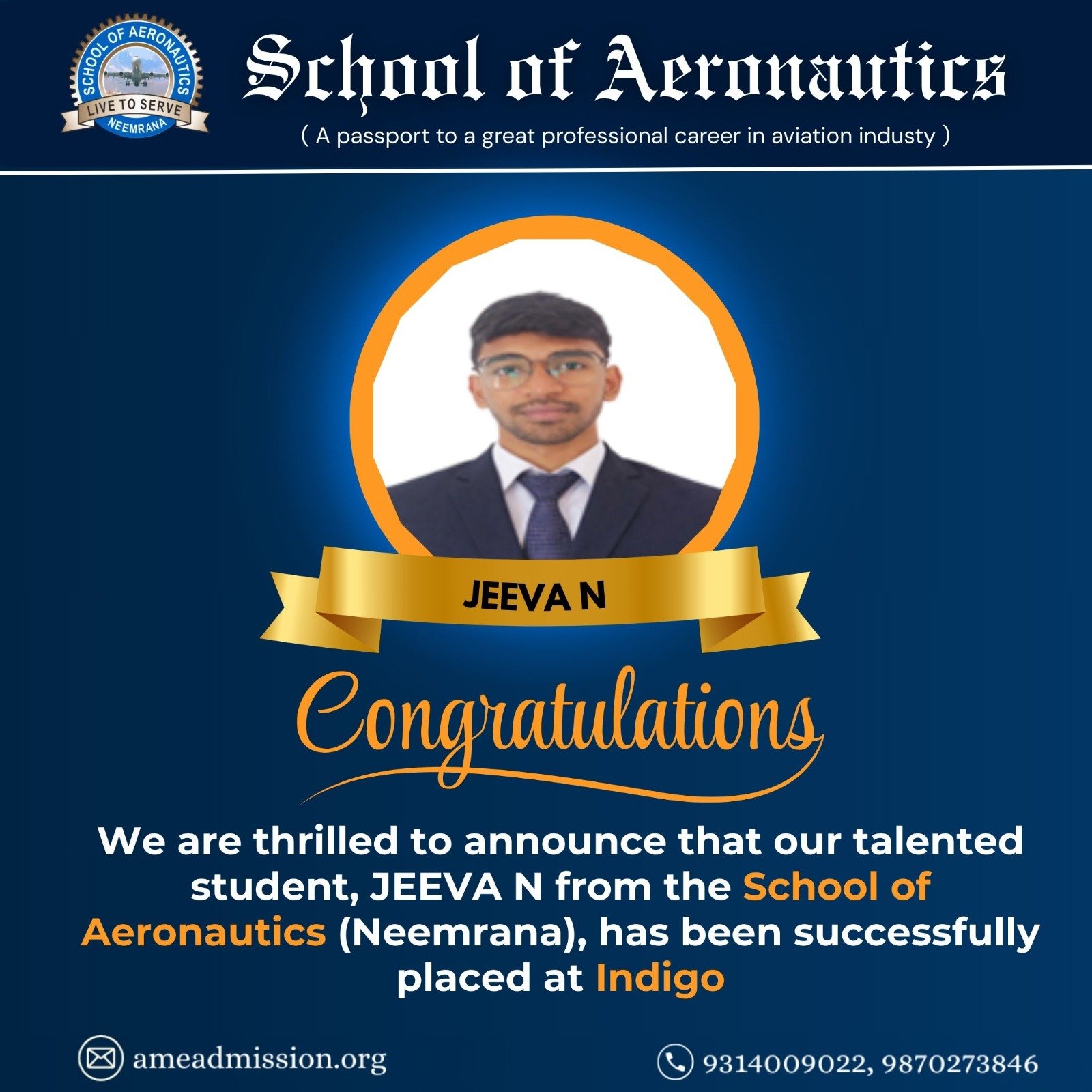
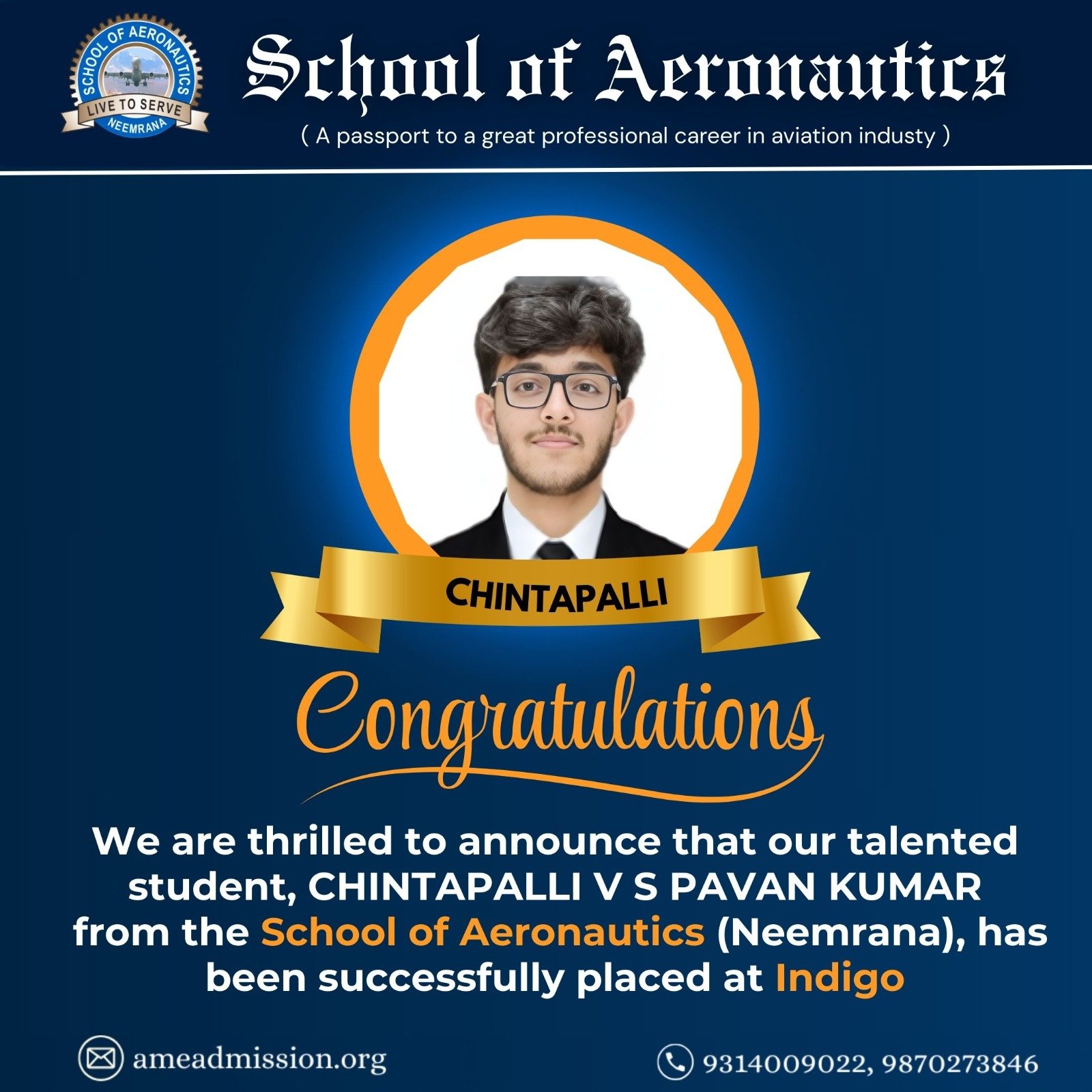
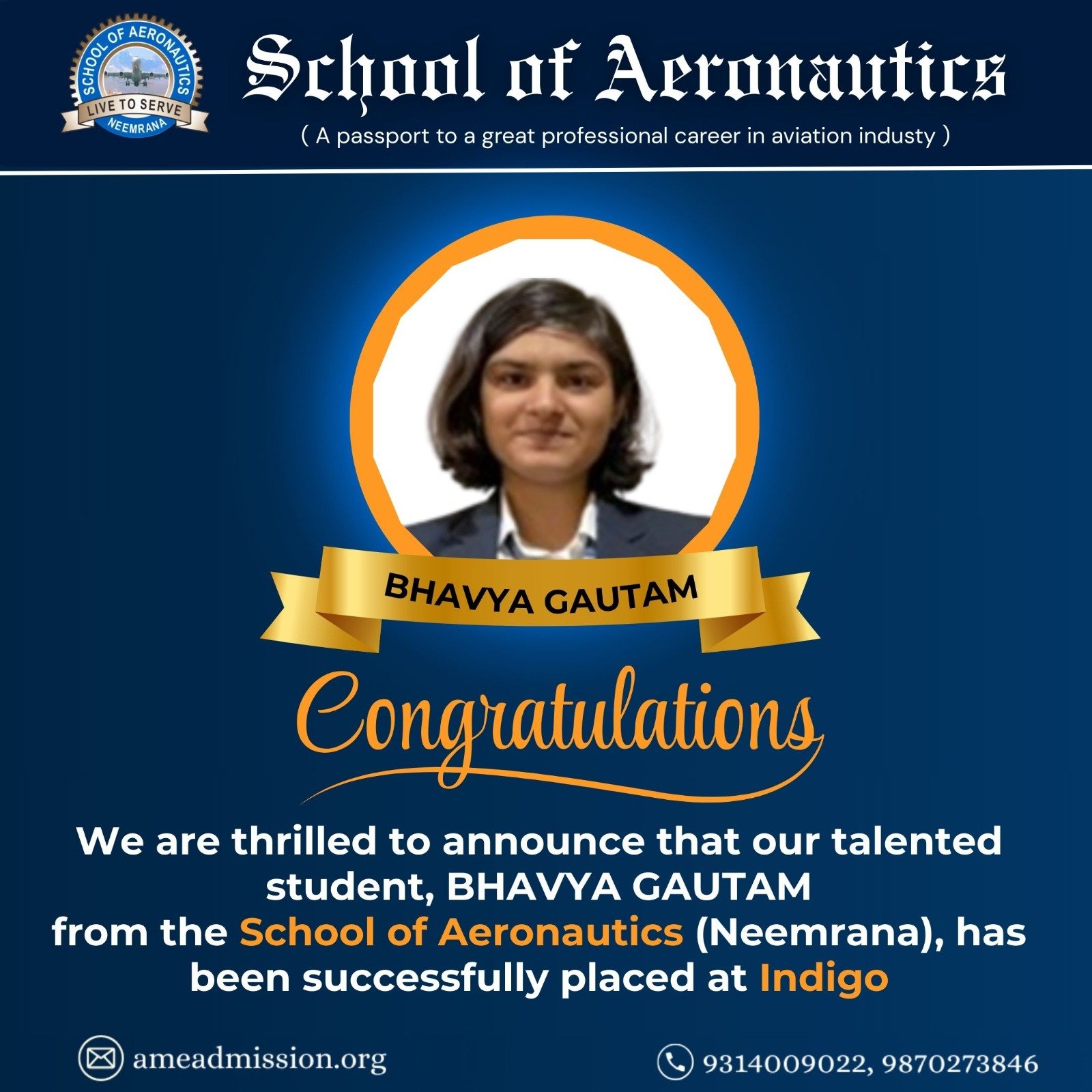
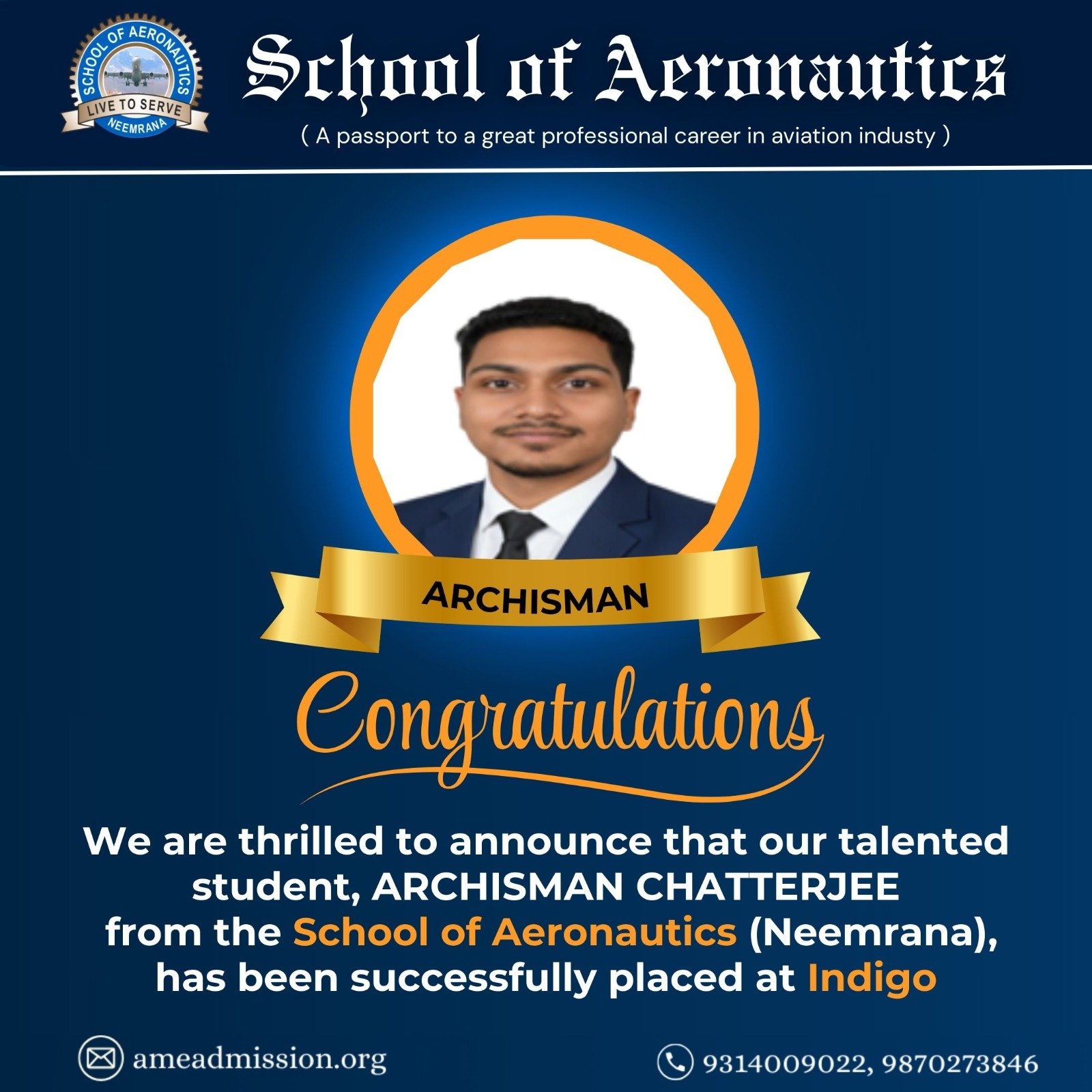
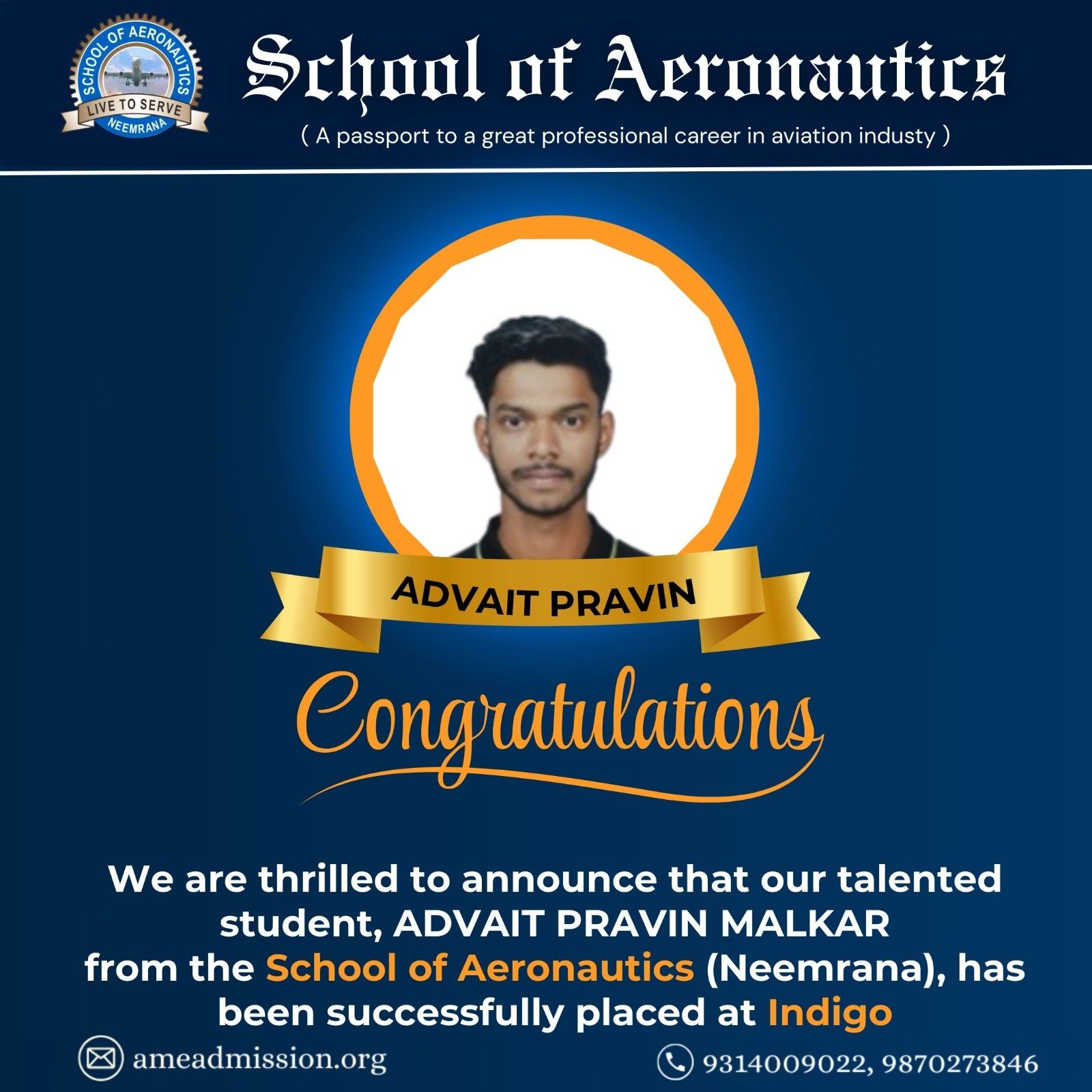
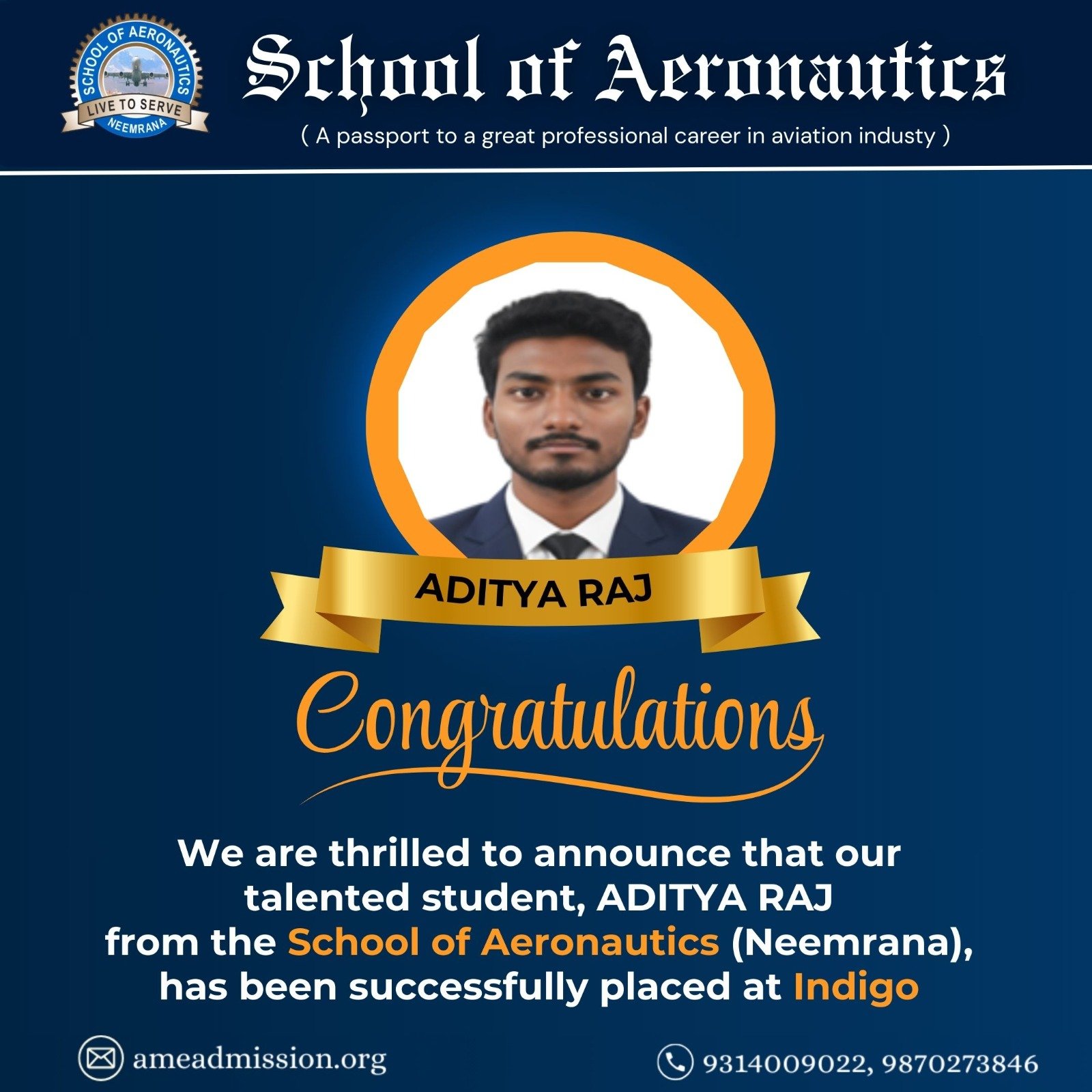
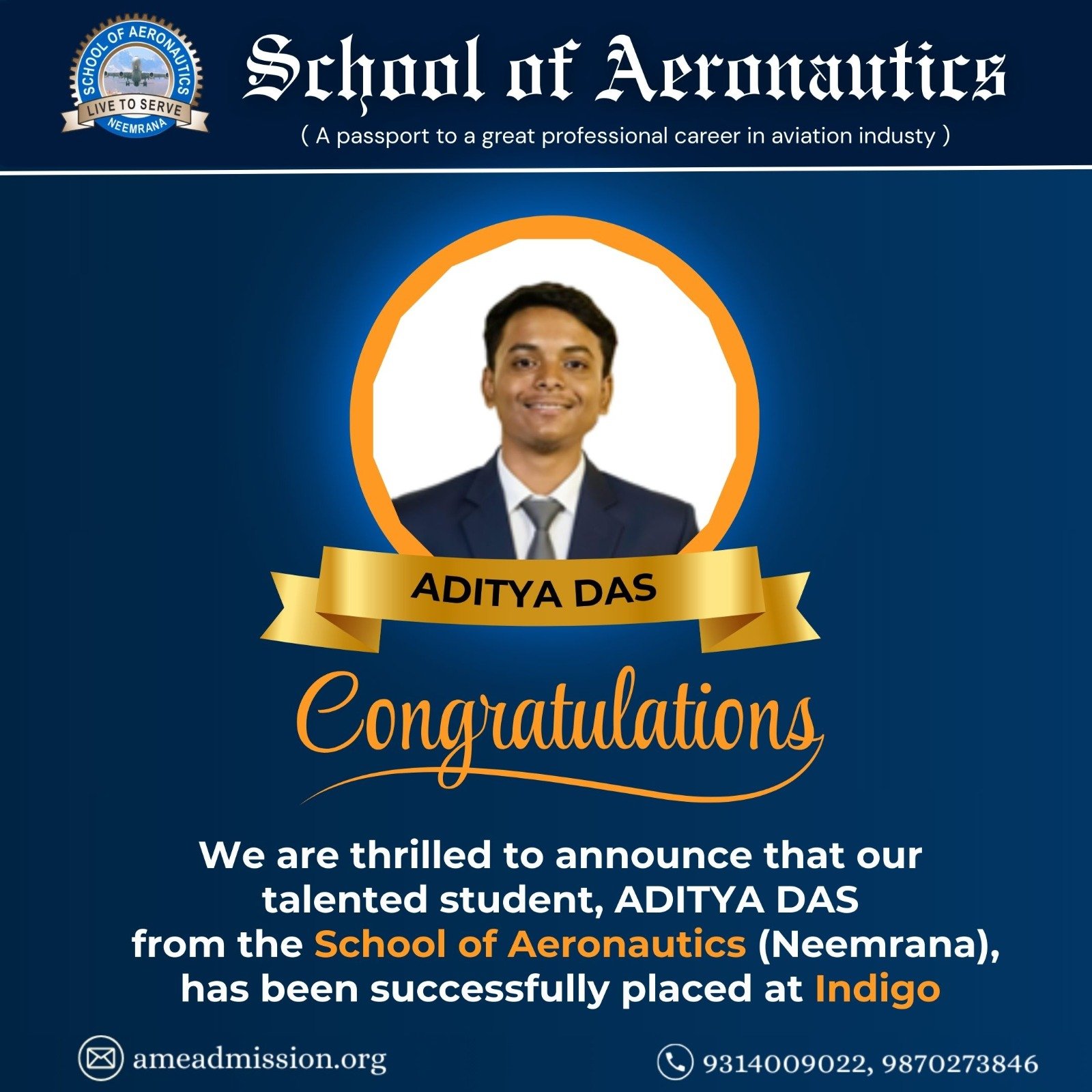
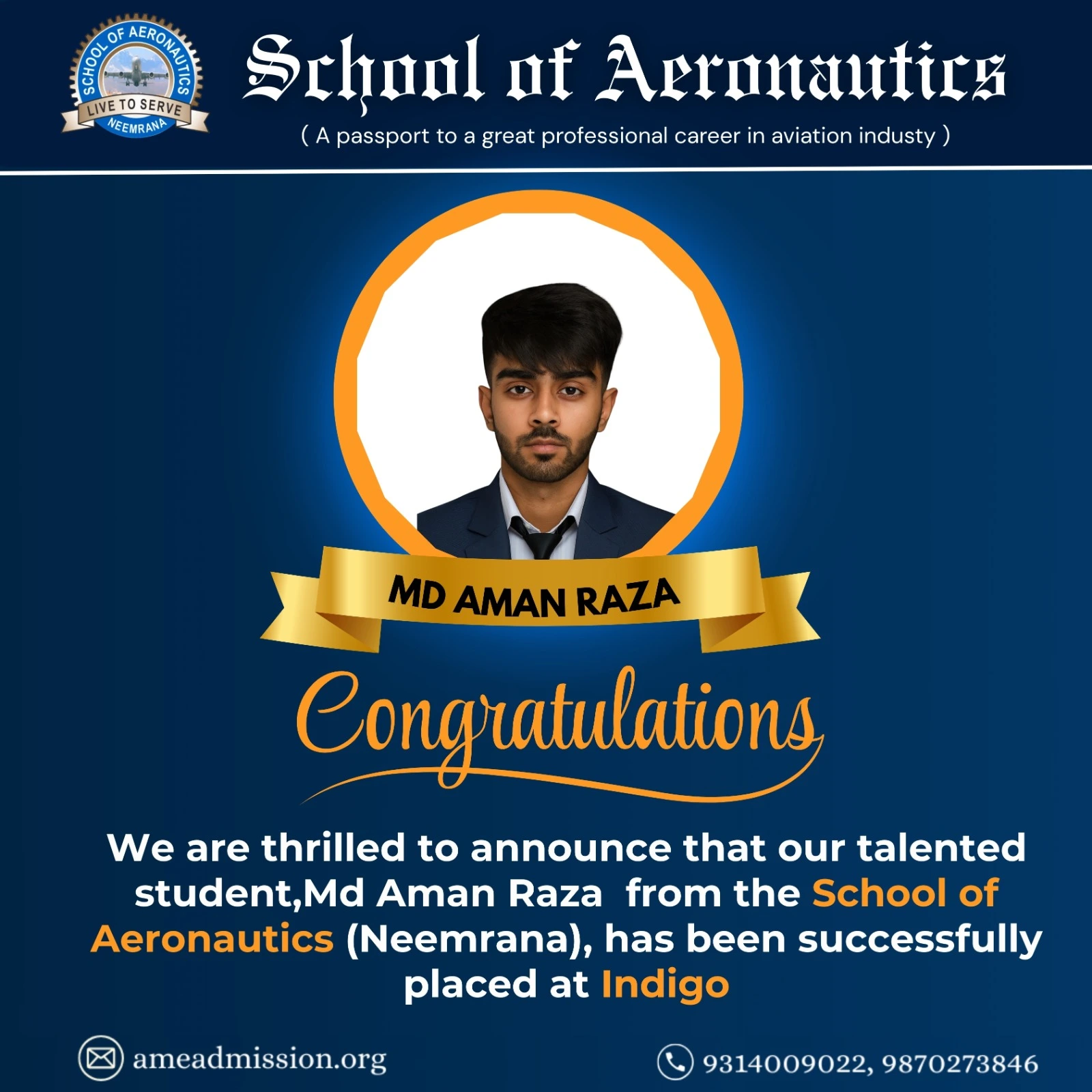
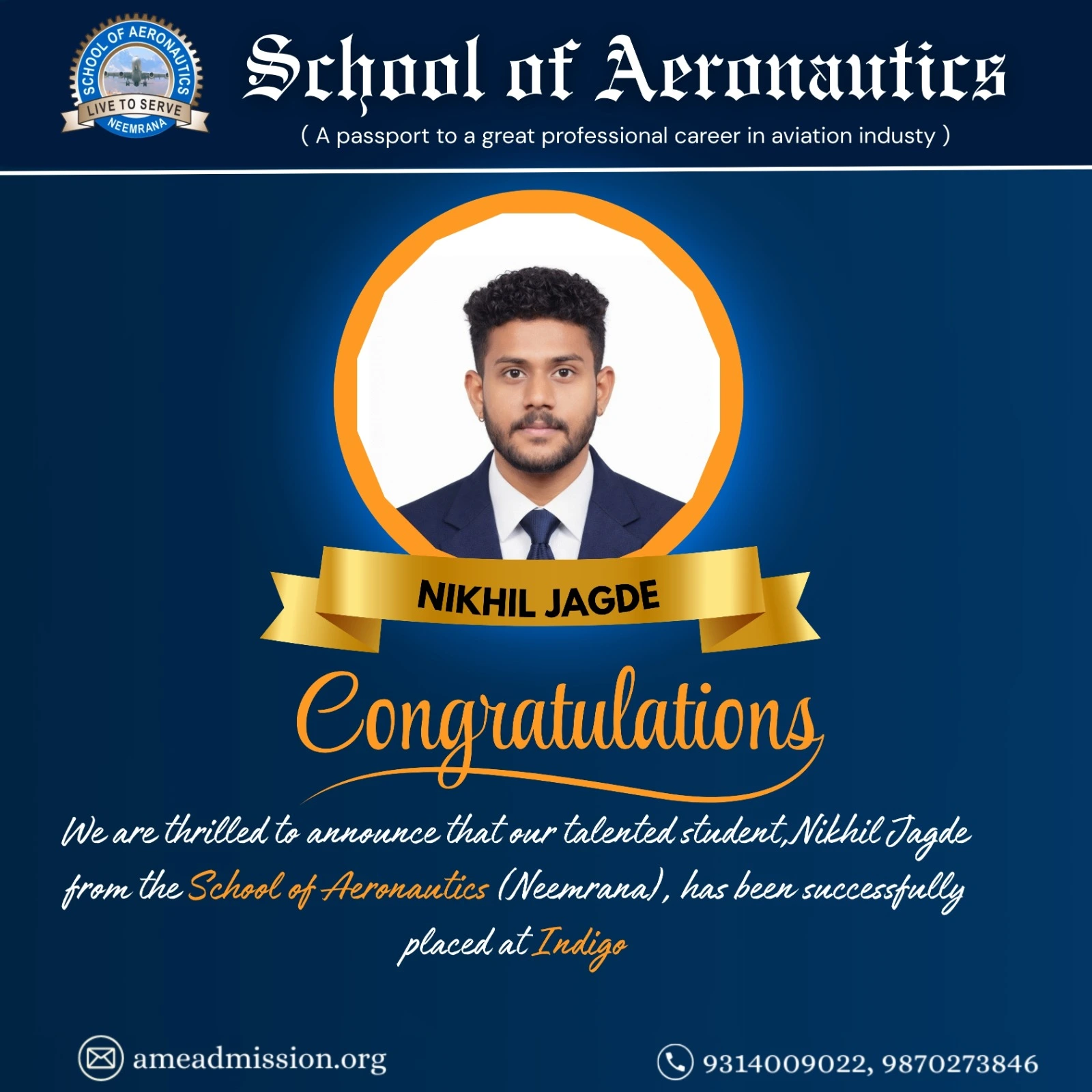
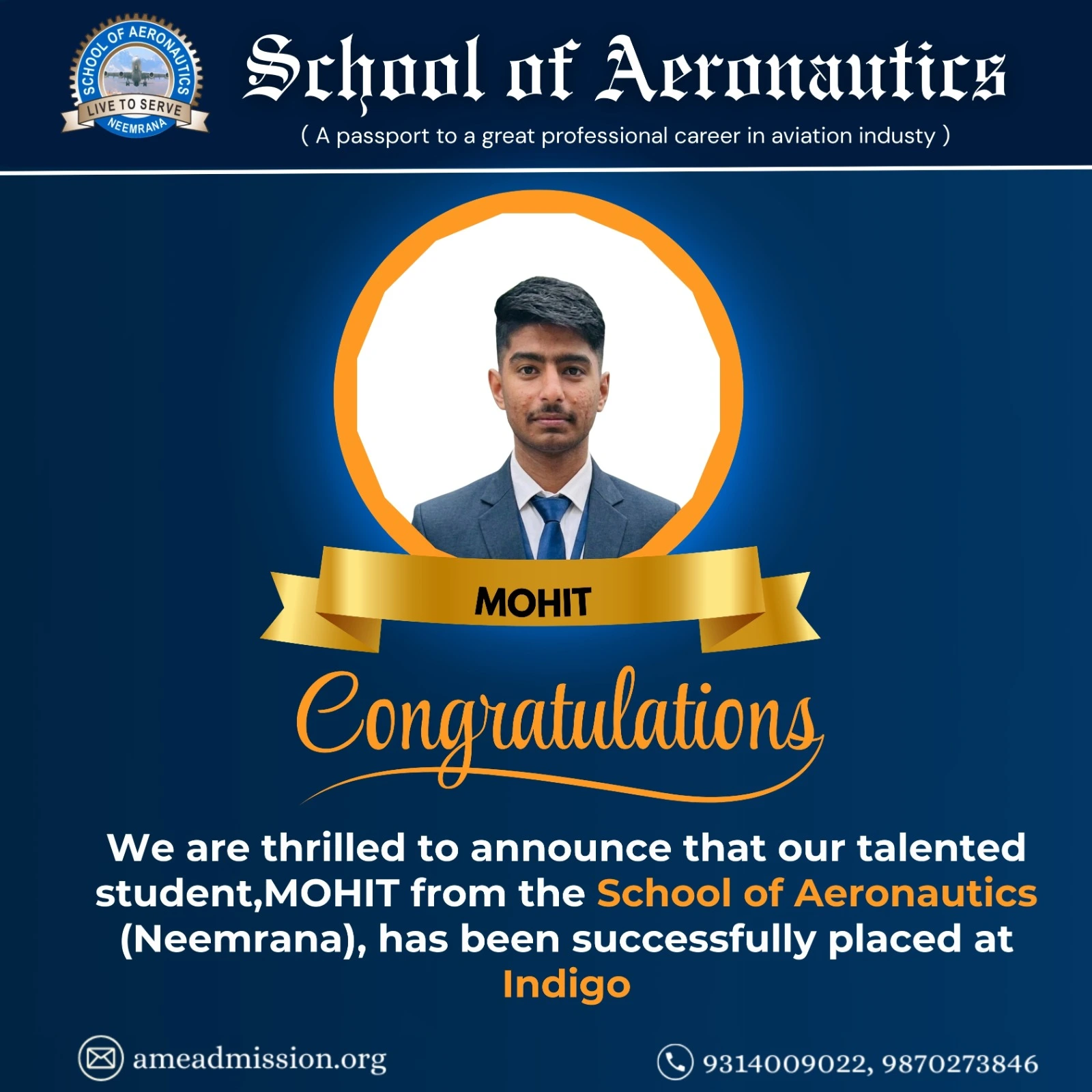
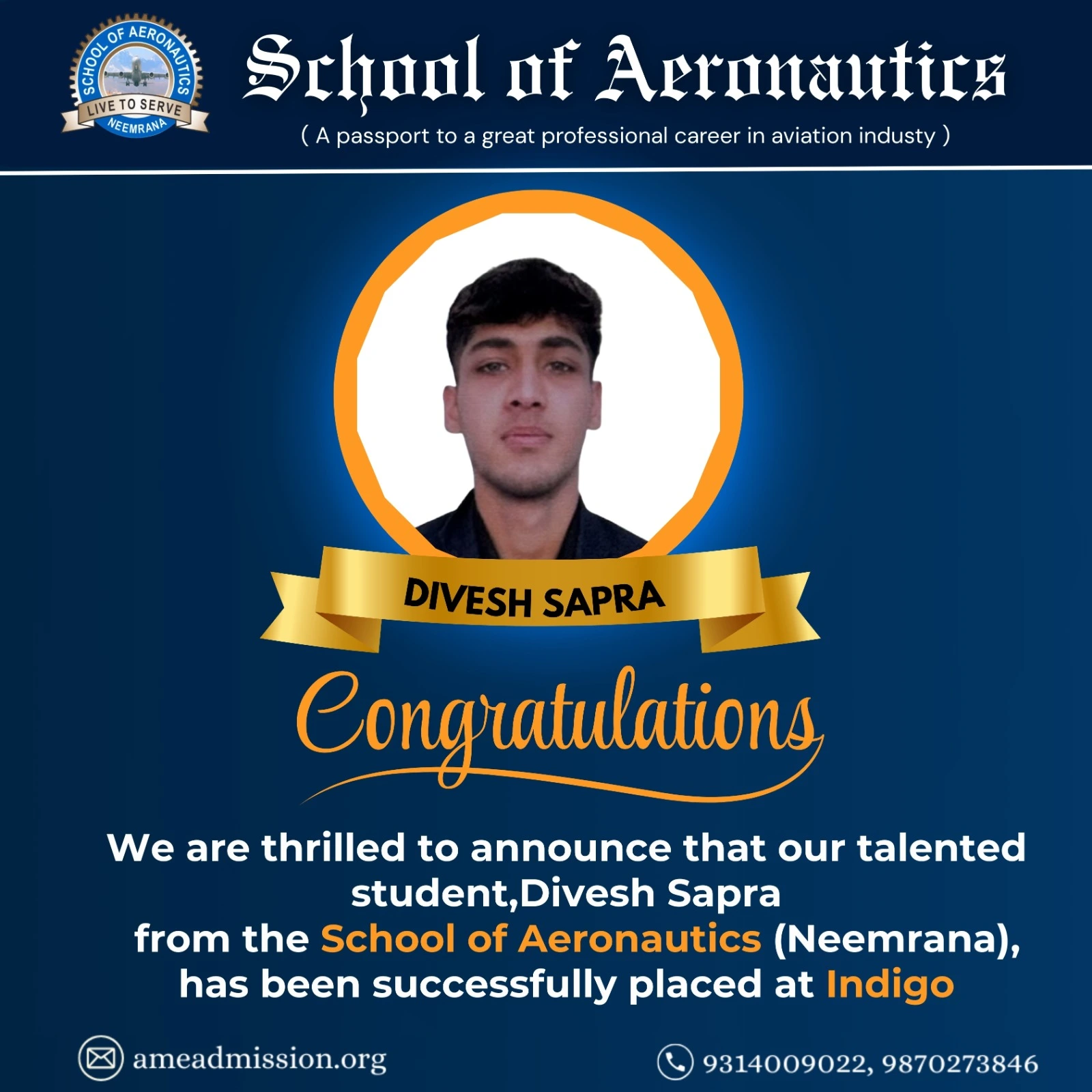
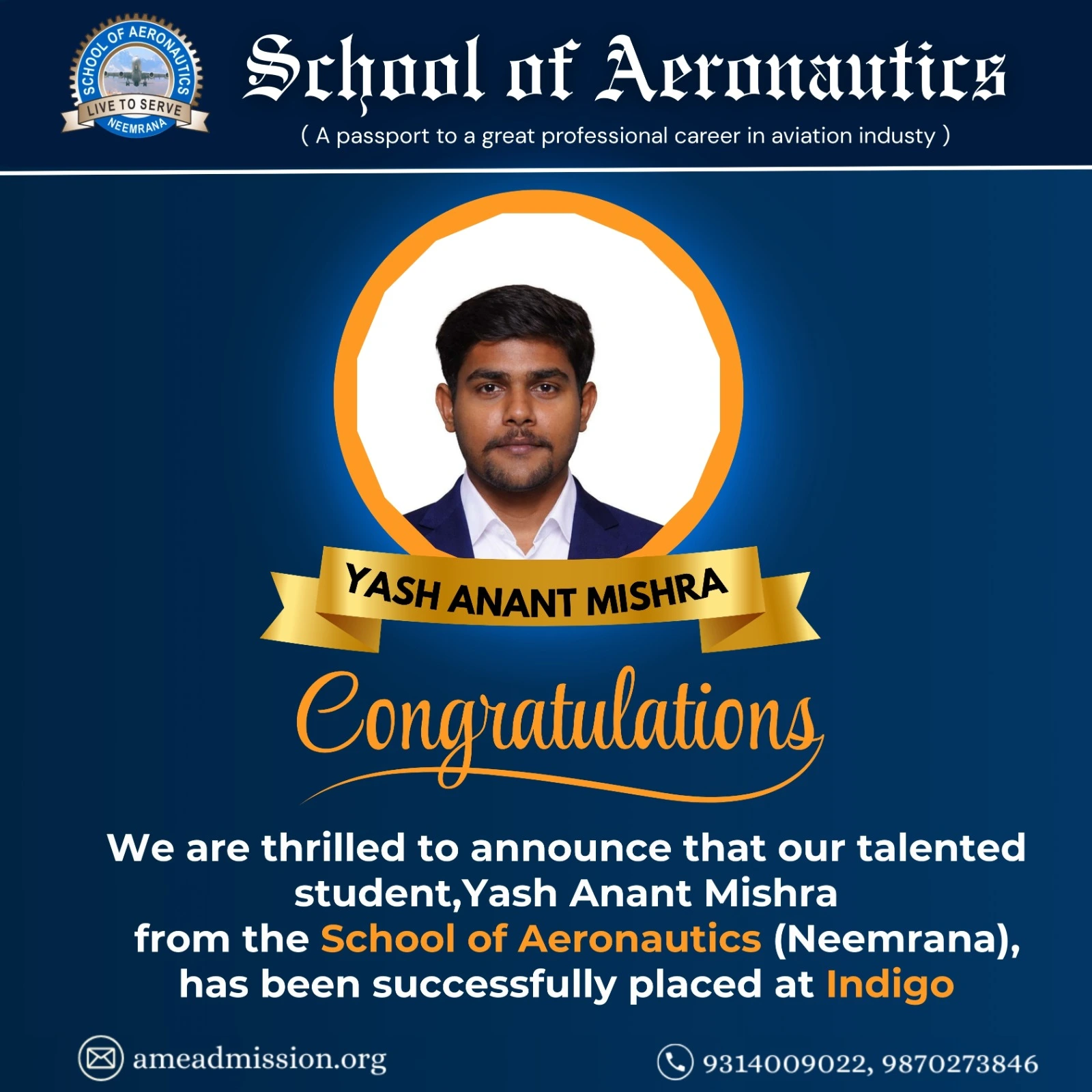
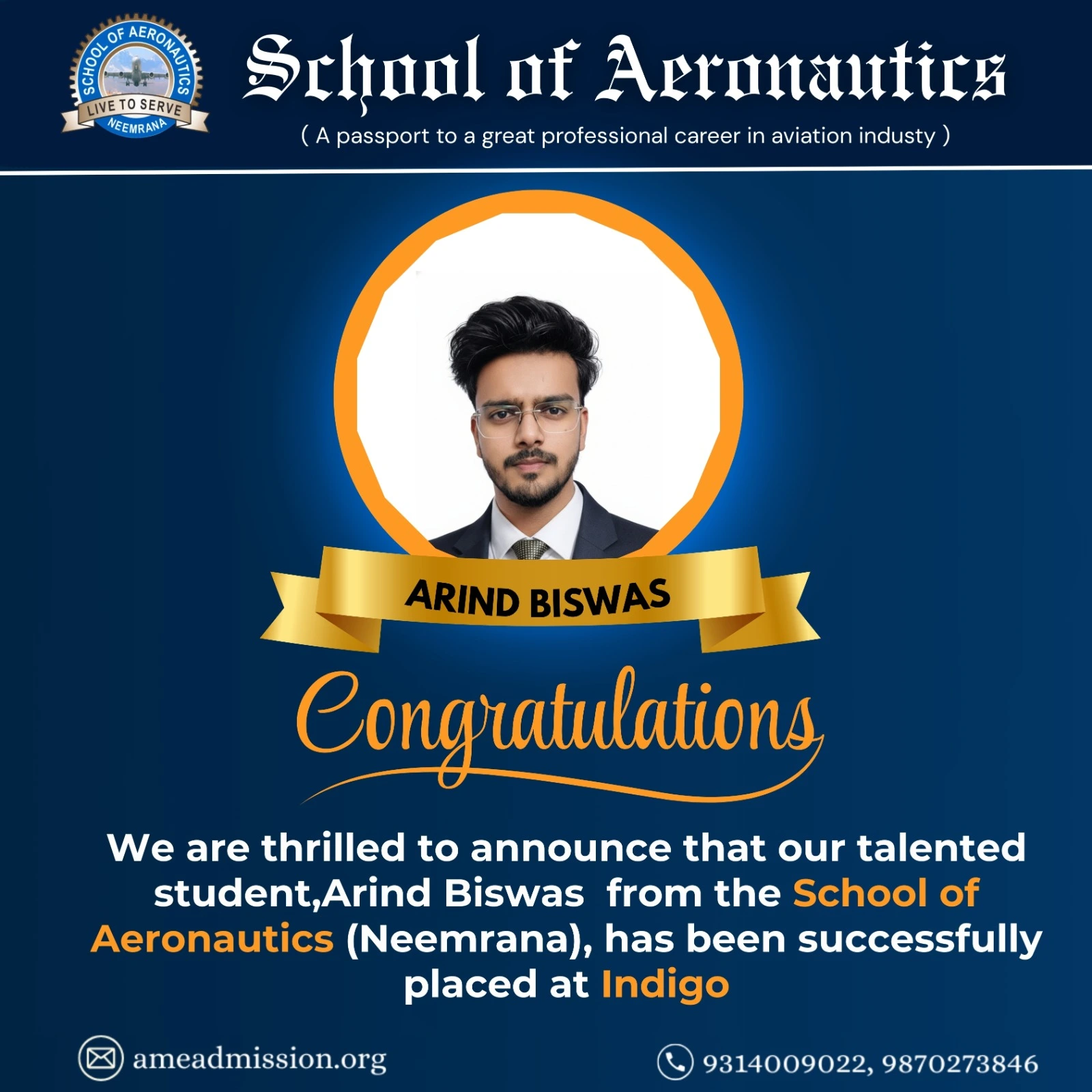
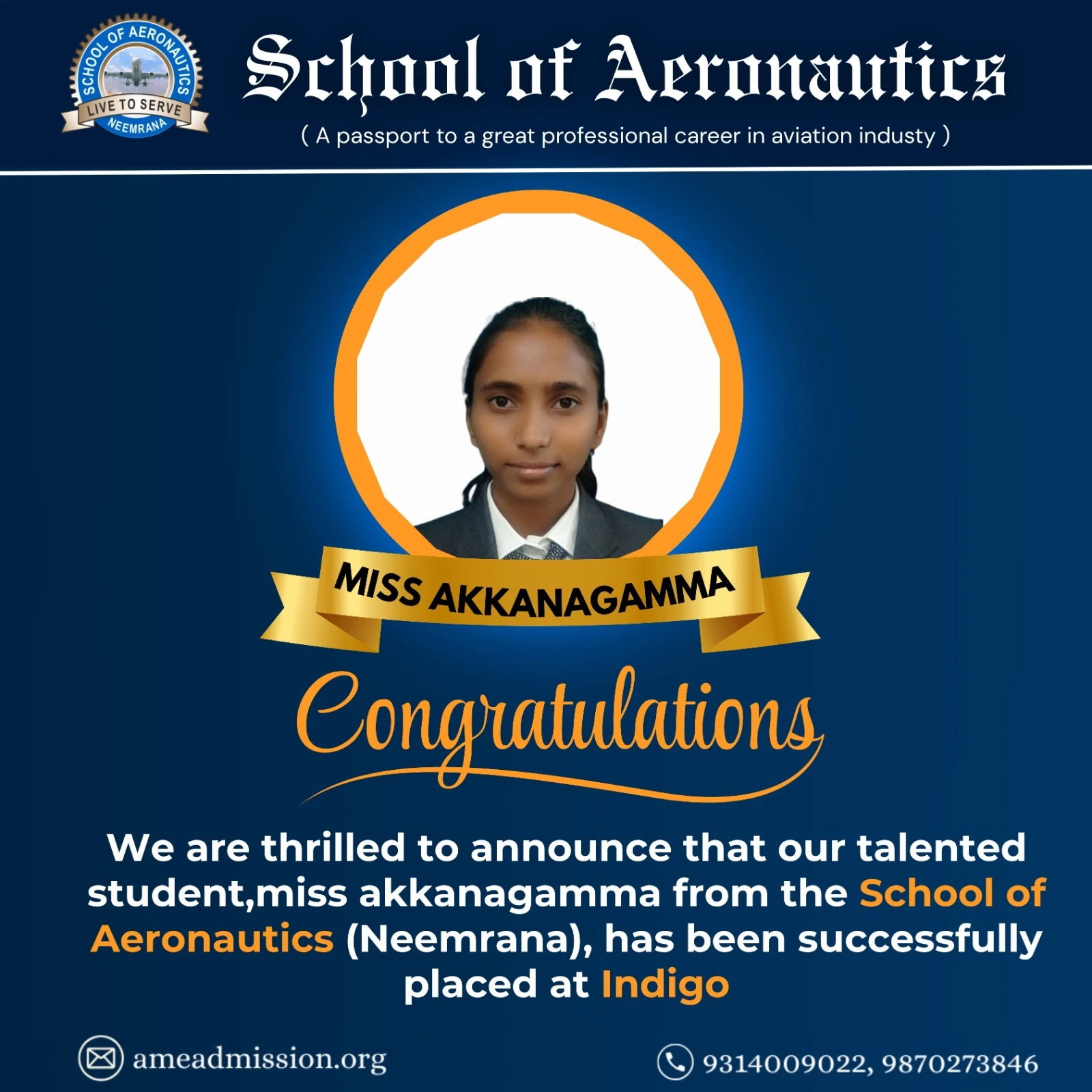
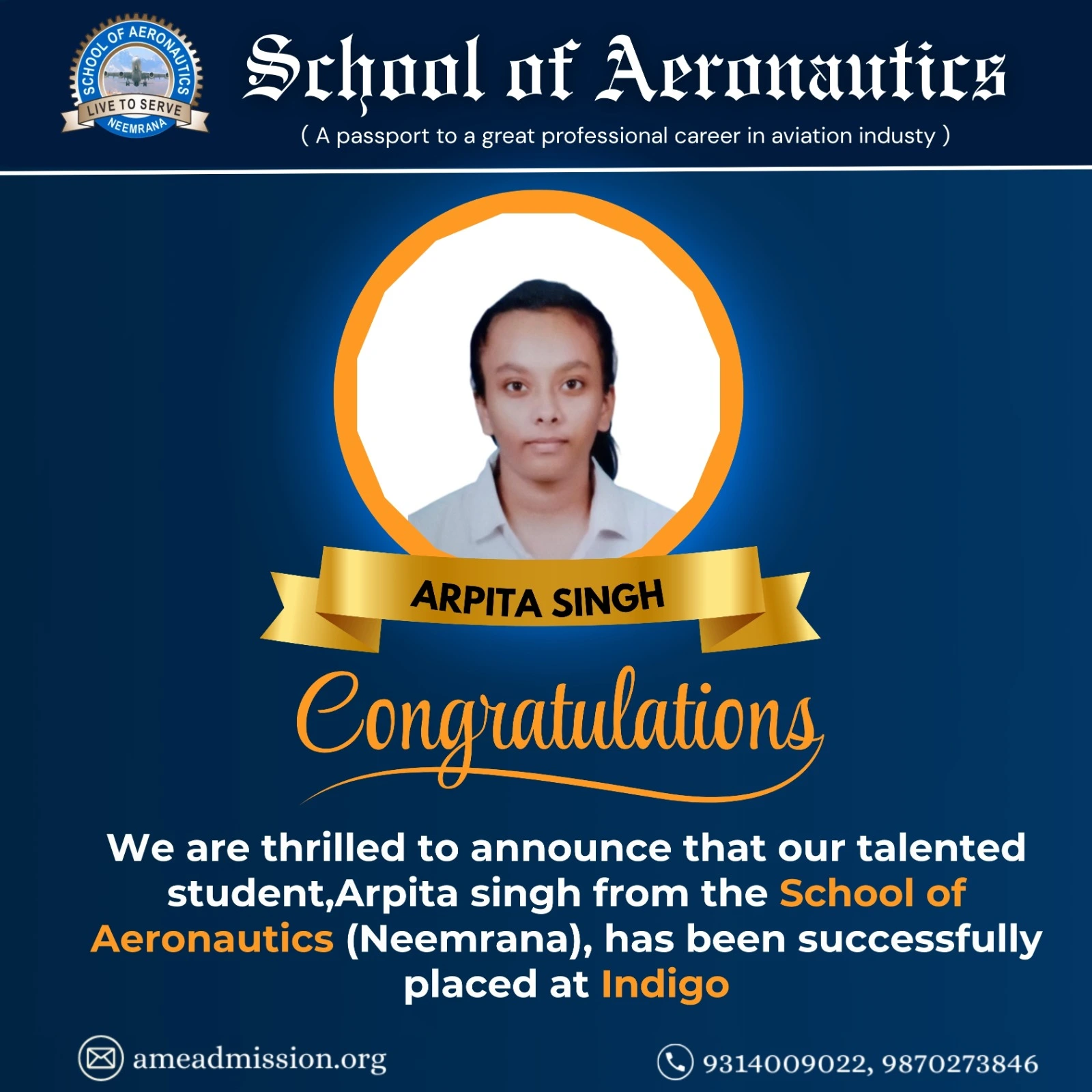
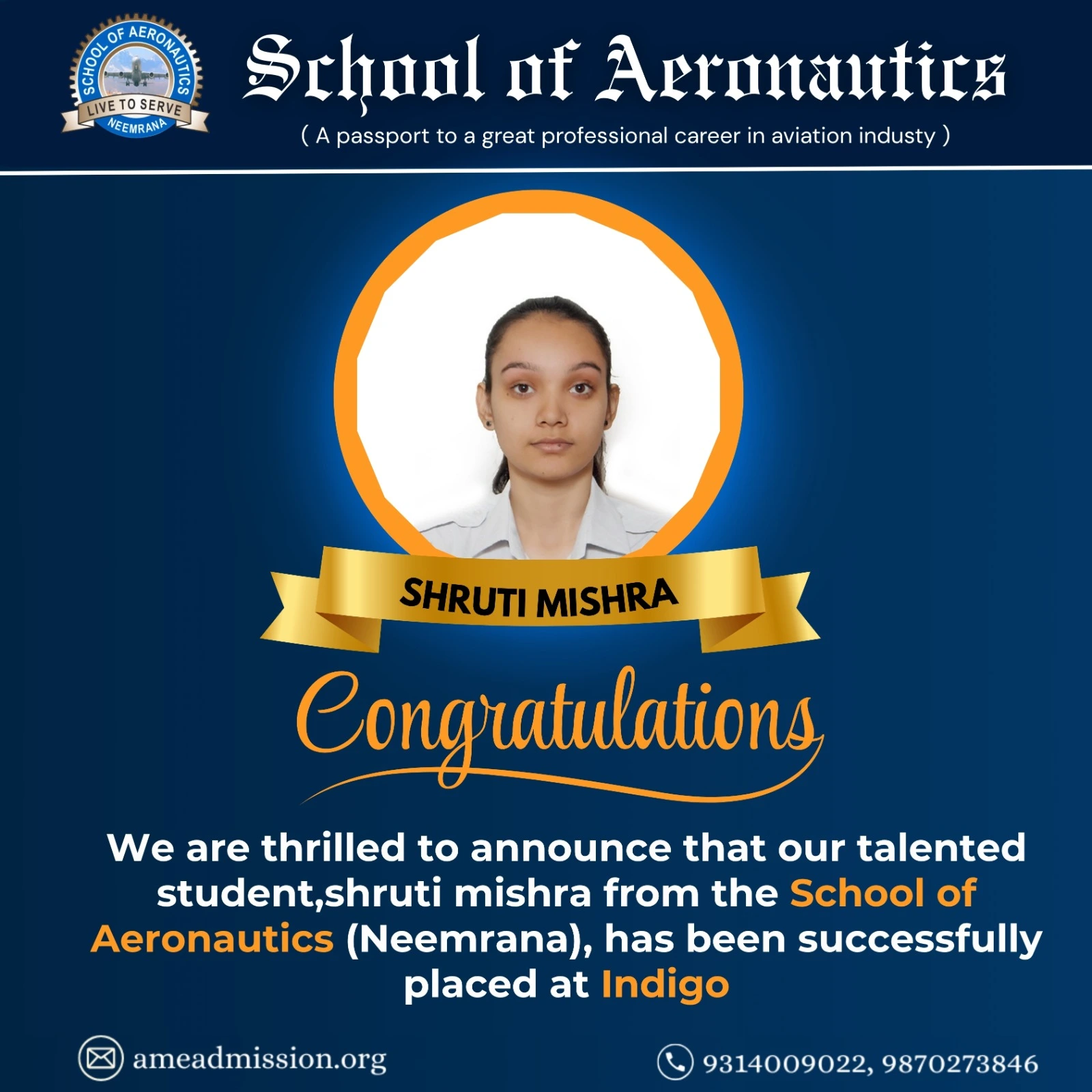
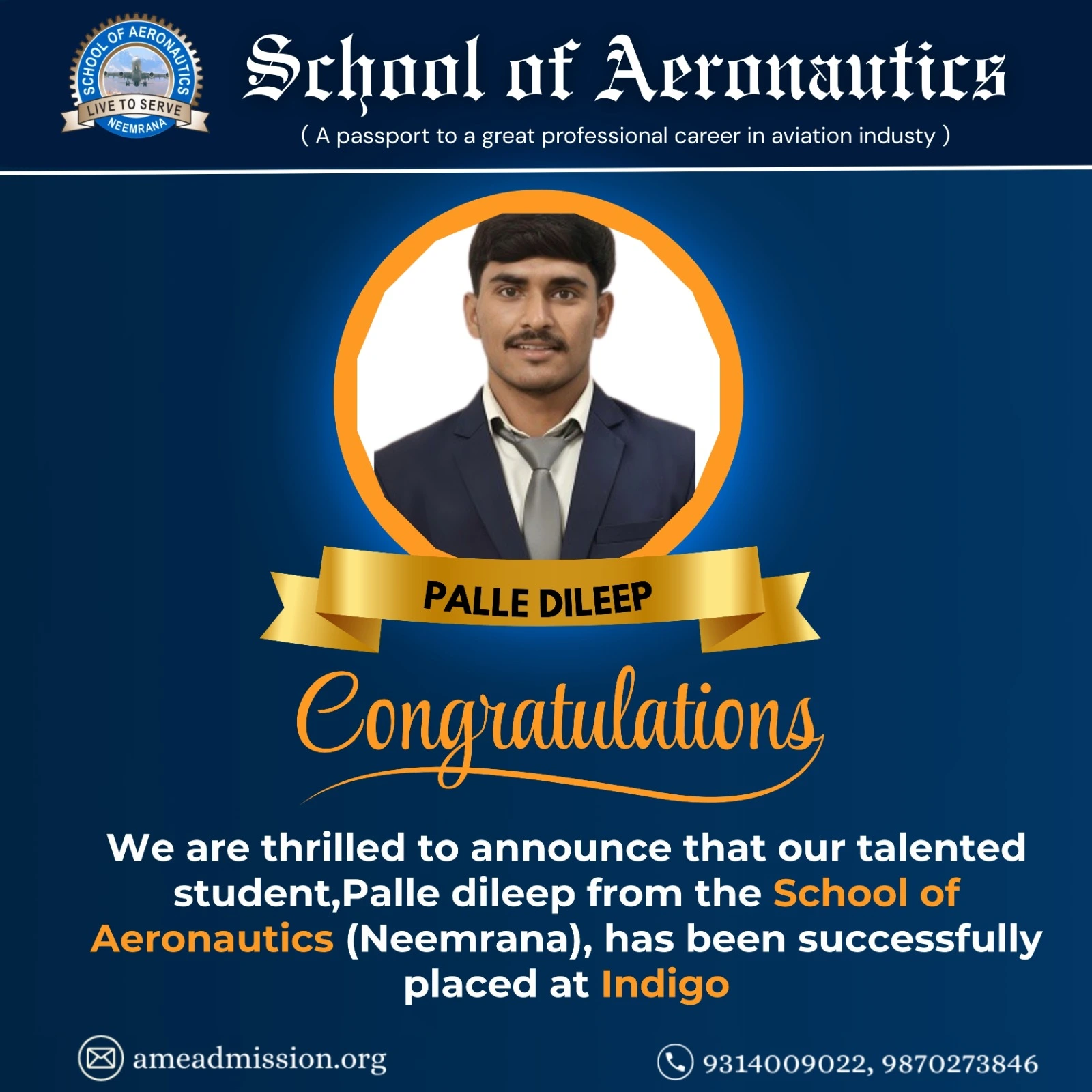
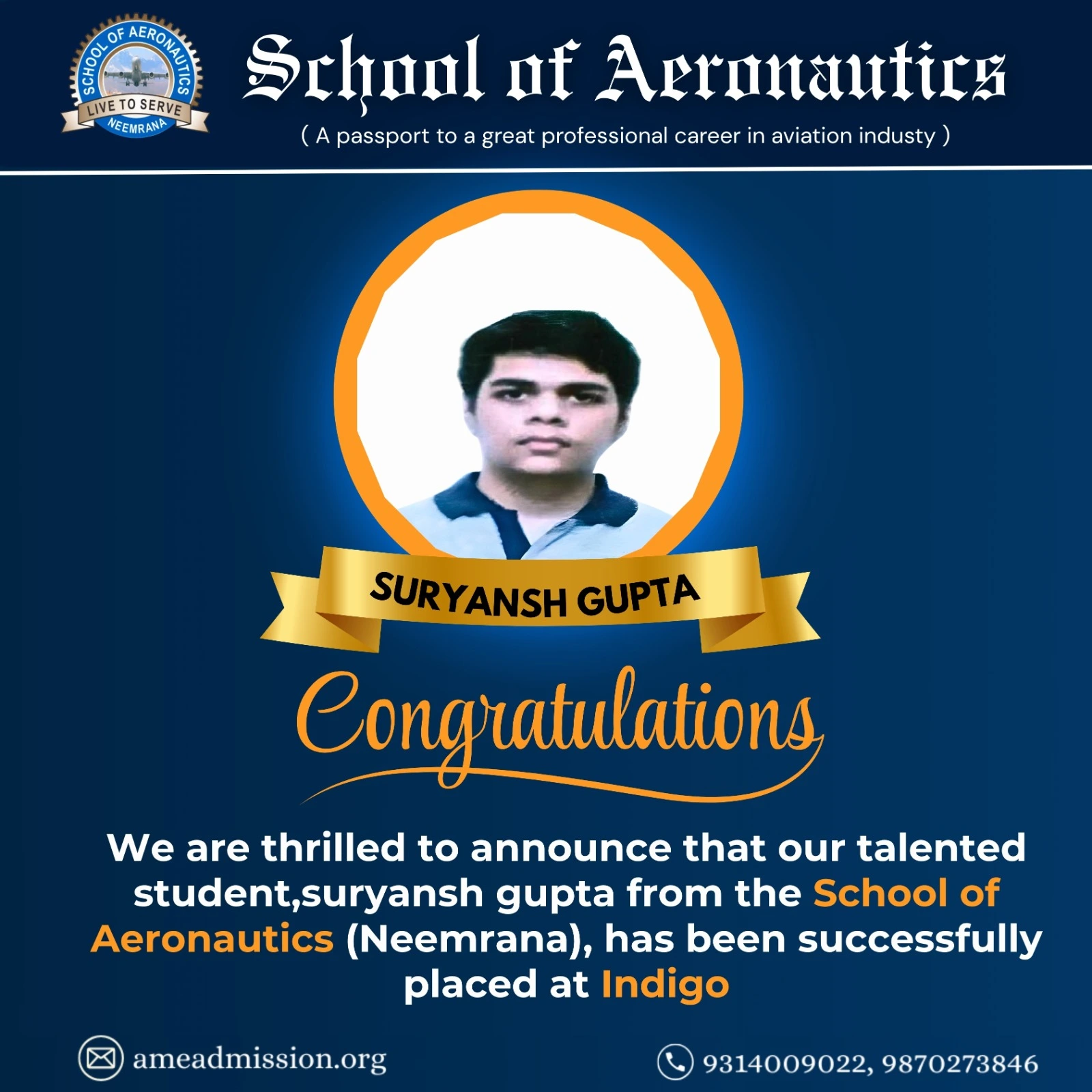
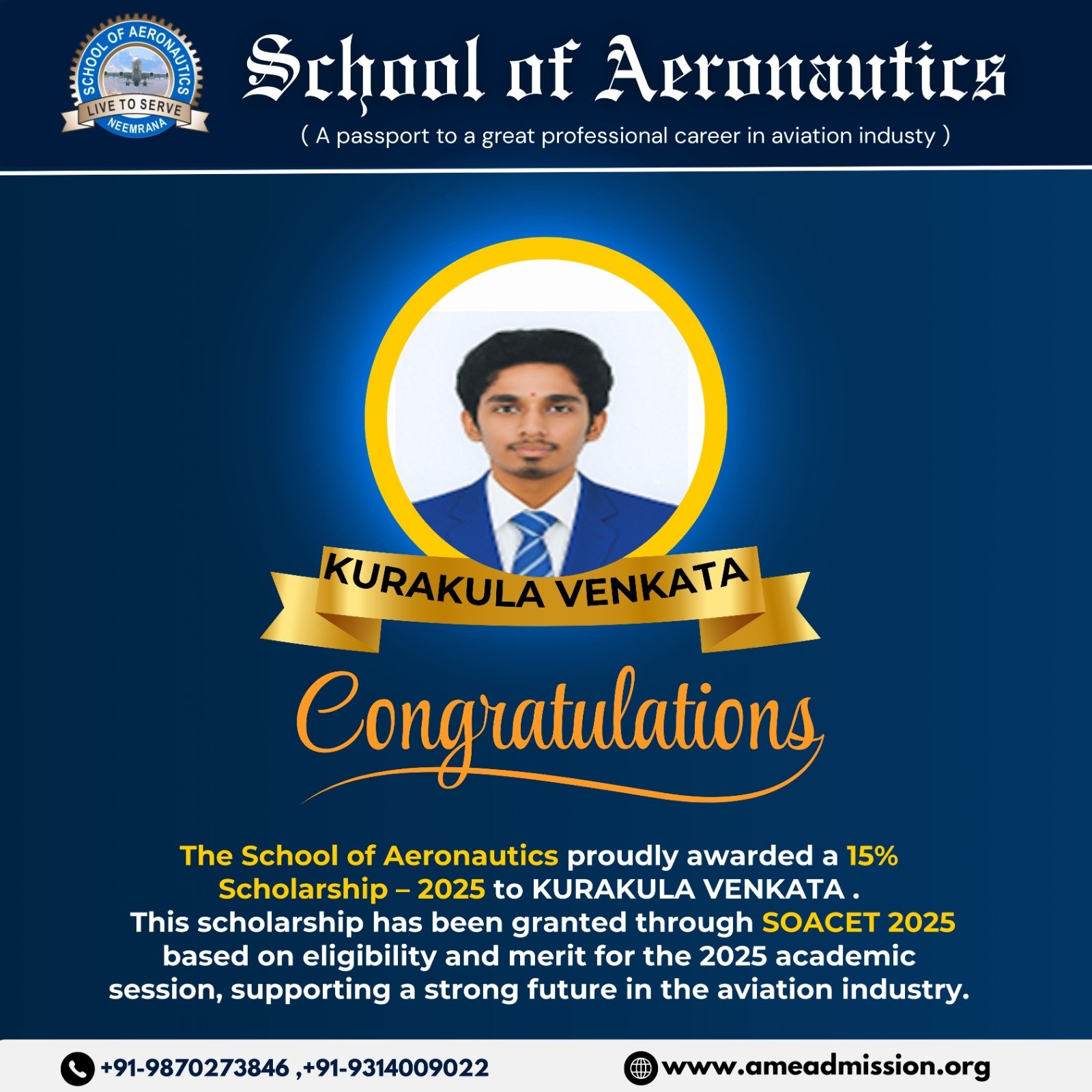
Real students. Real guidance. Real outcomes. Here’s what some of our alumni have shared about how career counselling shaped their aviation story.
These are the most searched questions about aviation courses in India. If your question isn’t here, just WhatsApp us we respond within minutes.
There is no single “best” course it depends on your interests and goals. AME (Aircraft Maintenance Engineering) is ideal if you want quick employment, a government-recognised license, and hands-on aircraft work. Aeronautical Engineering suits students who want a B.Tech degree with design and PSU opportunities. Aerospace Engineering is for those with excellent Math/Physics skills who aim for ISRO or international careers. The best way to find out is through a personalised counselling session.
AME is a DGCA-regulated technical program (not an engineering degree) that trains students to maintain, inspect, and certify aircraft. An AME license is mandatory to sign off aircraft making AMEs legally irreplaceable. AME is “better” in terms of faster employment, higher starting salaries in MROs/airlines, and immediate practical relevance. B.Tech Aeronautical offers a degree and is better for design or PSU careers. They serve different career goals.
Ans: To be eligible for AME admission in India, you need to have passed Class 12 (10+2) with Physics, Chemistry, and Mathematics (PCM) with a minimum of 50% aggregate marks. Some institutes accept 45% for reserved category students. Age limit is typically 16–28 years for initial enrollment. English proficiency is essential as DGCA exams are conducted in English. Medical fitness is assessed separately for certain license categories.
Ans: AME is a DGCA-licensed technical program focused on maintaining real aircraft it’s practical and license-based. Aeronautical Engineering is a B.Tech degree focused on designing and analysing aircraft systems more theoretical, with PSU and private sector design jobs. Aerospace Engineering is a broader B.Tech covering both aircraft and spacecraft best for ISRO, space research, or international R&D careers. They have completely different career paths, salary structures, and job natures.
Ans: Yes, there is a general age limit of 28 years for initial AME enrollment at most DGCA-approved institutes, though some allow up to 30. Gap years are generally acceptable as long as you meet academic eligibility and the age criterion at the time of enrollment. Students who took a drop year after 12th, or even those who started another course and changed tracks, successfully enroll in AME programs. Our counsellors can review your specific situation and guide you accordingly.
Ans: The most critical check for AME programs is DGCA Part 147 Approval never join an AME college without this. Beyond that, check: fleet of aircraft for training (real aircraft, not just simulators), industry tie-ups with airlines and MROs, placement records (ask for verified data), faculty experience (ex-airlines or DGCA experience), hangar facilities, DGCA exam pass percentage, and location (proximity to aviation hubs helps for OJT). Our institute’s counsellors can help you evaluate any institution fairly.
Ans: Absolutely. AME and all aviation technical careers are equally open to female students. The aviation industry is actively encouraging gender diversity in technical roles. There are thousands of licensed female AMEs working across Indian and international airlines. The work environment in modern aviation companies is professional, safety-focused, and structured making it safe and rewarding for female aviation engineers. Airlines like IndiGo, Air India, and several MROs have specific diversity hiring initiatives.
Ans: After completing the AME program (3 years), you must complete On-the-Job Training (OJT) of minimum 12 months at a DGCA-approved organisation (airline, MRO, etc.). Following OJT, you appear for DGCA Module Exams (technical papers in your chosen category B1 Mechanical or B2 Avionics). After clearing all exams, you apply for your DGCA Aircraft Maintenance Engineer’s License. With a license in hand, you’re eligible for AME positions at airlines, MROs, and defence units. Our institute guides students through every step of this process.
SOACET 2026 (School of Aeronautics Common Entrance Test) is a National Level AME Entrance Exam 2026 organized every year by the LNVM Society. The examination is conducted for admission and scholarship into aviation programs at the prestigious School of Aeronautics, Neemrana.
CORPORATE OFFICE
H 974, PALAM EXTENSION, PART 1, SEC 7,
DWARKA, NEW DELHI 110077
I 04, DELHI – JAIPUR EXPY, RIICO INDUSTRIAL AREA,
NEEMRANA, RAJASTHAN 301705