
360° Campus Tour Explore SOACET 360 Degree Campus View
Notice
🚀 Admissions Open for B.Tech Lateral Entry & Integrated AME 2026-27 • Direct 2nd Year Entry for Diploma & B.Sc. PCM Holders • SOACET Entrance Exam Registration Closing Soon • Practical Hangar & In-House Aircraft Maintenance Training Available •
🔥 SOACET 2027 starting from 1 Nov. 2026 — Apply Before! Click Here for Apply →

Aeronautical Engineering Fees in India: Complete Guide (2027)

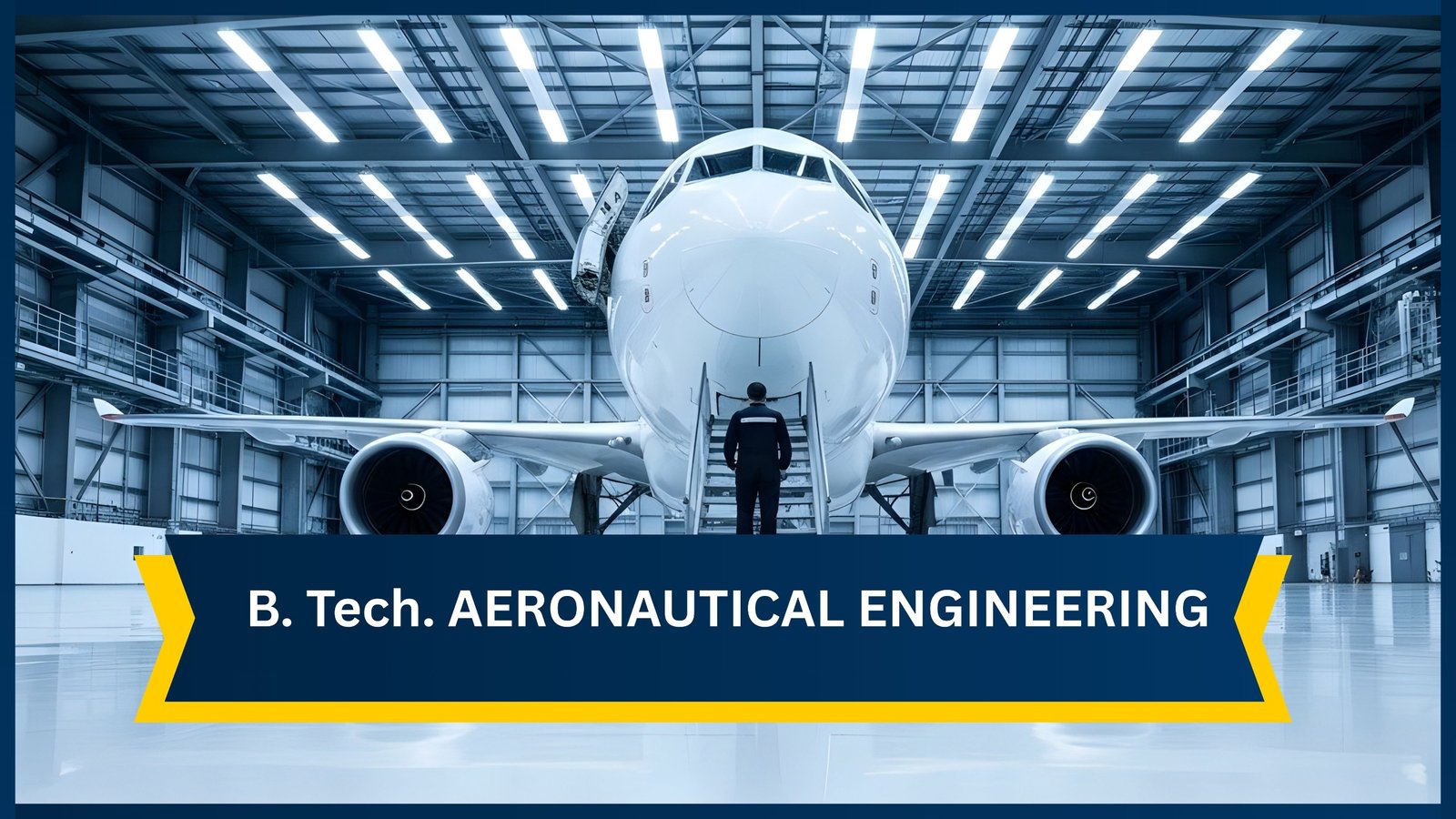
B.Tech Aeronautical Engineering aircraft hangar background

Aeronautical engineering fees in India for the 4-year B.Tech program typically range from ₹4 to ₹8 lakhs for the complete course, varying significantly based on whether you choose a government, government-aided, or private institution, along with the specific infrastructure and industry exposure each institute offers. This guide breaks down exactly what you’ll pay, year by year, what’s included, and what factors cause that range to vary so you can budget accurately before you apply.

Aeronautical Engineering Fees

Institution TypeTotal Course Fee (4 Years)Annual Fee (Approx.)
Government Institutes₹4 – ₹5 Lakhs₹1 – ₹1.3 Lakhs
Government-Aided / State Universities₹4.5 – ₹6 Lakhs₹1.1 – ₹1.5 Lakhs
Private Institutes₹5 – ₹8 Lakhs₹1.3 – ₹2 Lakhs

These figures cover the core academic program. Actual costs can vary further based on hostel accommodation, study materials, and institute-specific infrastructure fees, which we cover in detail below.

Fee Structure Year-Wise

Aeronautical engineering fees are typically structured annually or semester-wise across the 4-year B.Tech program, with costs generally rising slightly in the later years as coursework becomes more lab and project-intensive.

YearFocus AreaApproximate Annual Fee
Year 1Foundation subjects (Mathematics, Physics, Basic Engineering)₹1 – ₹1.8 Lakhs
Year 2Core engineering (Mechanics, Materials, Thermodynamics)₹1 – ₹1.8 Lakhs
Year 3Specialization begins (Aerodynamics, Propulsion, CFD)₹1.2 – ₹2 Lakhs
Year 4Advanced applications and final-year project₹1.2 – ₹2 Lakhs

The increase in Years 3 and 4 typically reflects access to specialized simulation software, CFD labs, and project-related material costs rather than a change in core tuition structure.

Government vs Private College Fees

Government Institutes


Government engineering colleges consistently offer the most affordable aeronautical engineering fees in India, often subsidized significantly compared to private institutions. This is largely because government institutions receive state or central funding support that offsets a substantial portion of the actual cost of delivering the program. Admission to government colleges is highly competitive, usually through JEE Main or state-level entrance exams, with limited seats available meaning the trade-off for lower fees is typically a higher academic cutoff.

Private Institutes


Private colleges typically charge higher fees, but this often comes with trade-offs that matter to prospective students: more flexible admission pathways (including direct entry or institute-specific entrance exams), additional infrastructure investment in areas like simulation labs and aircraft access, and in many cases, stronger industry partnerships that translate into better internship and placement pipelines. Fee variation among private institutes can be significant, driven largely by reputation, location, and the depth of practical training infrastructure on offer.

What Actually Drives the Fee Gap

The government-vs-private fee difference comes down to a few consistent factors: government subsidy structures, how each institution recovers its infrastructure investment over time, faculty compensation models, and whether the institute maintains specialized labs, simulation equipment, or direct industry tie-ups. A private institute with strong aircraft access and active airline/MRO partnerships will generally cost more than one without and that added cost can translate into meaningfully better hands-on exposure, so the comparison isn’t simply “cheaper is better.”

What's Included in Your Fees

  • Tuition fees: core academic instruction across all 8 semesters, covering faculty salaries and curriculum delivery
  • Laboratory fees: access to aerodynamics labs, wind tunnels (where available), CAD workstations, and testing equipment
  • Library and learning resources: textbooks, technical journals, and digital learning resource access
  • Examination fees: semester and annual examination costs, including any re-examination fees where applicable
  • Development fees: infrastructure and facility maintenance contributions that keep labs and classrooms functional and updated


Some institutes bundle these into a single consolidated fee, while others itemize them separately always ask for a full breakdown before comparing two institutes on price alone, since a seemingly cheaper headline fee can sometimes exclude lab or examination charges that are added later.

Scholarships & Education Loan Options

Several avenues exist to help manage aeronautical engineering fees, and it’s worth exploring all of them before assuming the full cost must be paid out of pocket:


Merit-Based Scholarships

Many institutes offer scholarships or fee waivers for students who secure strong ranks in JEE Main, state-level entrance exams, or institute-specific tests. These can range from partial tuition waivers to more substantial support for top-ranking candidates.


Need-Based Financial Aid

Several institutes maintain need-based aid programs for economically disadvantaged students, often requiring income documentation and academic performance verification.


Government Scholarship Schemes

Various state and central government scholarship schemes support engineering education broadly, including schemes targeted at specific categories, regions, or family income brackets. Eligibility and application processes vary by scheme.


Education Loans

Most nationalized and private banks including SBI, HDFC, ICICI, and Axis Bank offer education loans specifically structured for engineering programs, often with collateral-free options up to a certain loan amount (commonly around ₹4-7.5 lakhs, depending on the bank’s current policy). Interest rates and repayment terms vary, so comparing 2-3 bank offers before committing is generally worthwhile.

Factors That Affect Fee Variation

Several factors explain why aeronautical engineering fees vary so significantly between institutes, even within the same city or region:


  • Institute reputation and ranking: higher-ranked, well-established institutes often command premium fees, reflecting both demand and typically stronger placement outcomes
  • Infrastructure quality: access to real aircraft, wind tunnels, and advanced simulation labs meaningfully increases operating costs, which are reflected in fees
  • Location: metro-city institutes often carry higher fee structures than regional institutes, driven by real estate and operating cost differences
  • Government vs private status: as detailed above, this remains the single biggest fee determinant across the board
  • Placement track record: institutes with strong, consistent industry placement records sometimes justify higher fees through demonstrably better return on investment for graduates

B.Tech vs AME vs Integrated Program

Since SOACET offers three distinct pathways, it’s worth understanding how their fee structures compare, so you can choose based on both cost and career direction rather than cost alone:

ProgramDurationApproximate Total Fee
B.Tech Aeronautical Engineering4 years₹4 – ₹8 Lakhs
AME (Aircraft Maintenance Engineering)2.5 – 3 years₹3 – ₹8 Lakhs
Integrated B.Tech (Aero) + AME Dual ProgramExtended (combined)~₹8 – ₹9 Lakhs

The Integrated program’s fee reflects the combined cost of earning both a design-focused engineering degree and a DGCA-recognized maintenance license meaningfully more value for students who genuinely want both qualifications, but a larger upfront and total investment than either standalone path.

How to Plan and Budget for Your Education

A few practical steps make the financial planning process considerably less stressful:


  1. Get a complete, itemized fee breakdown from every institute you’re seriously considering not just the headline tuition figure
  2. Factor in the full 4-year cost, not just Year 1, since fees can increase in later years
  3. Research scholarship eligibility early many merit scholarships are tied to entrance exam performance, so understanding the criteria before your exam can shape your preparation priorities
  4. Compare 2-3 education loan offers if financing is needed, rather than accepting the first bank’s terms
  5. Budget realistically for additional costs (hostel, books, materials) rather than being surprised by them later

Frequently Asked Questions

Q1. What is the total fee for aeronautical engineering in India?

A:  Total fees for the 4-year B.Tech program typically range from ₹4 to ₹8 lakhs, depending on whether you attend a government or private institute, with government institutes at the lower end and premium private institutes at the higher end.

A: Aeronautical engineering fees are generally comparable to other specialized engineering branches. The need for specialized labs, simulation software, and in some cases aircraft access can make it marginally higher than general branches like Computer Science at some institutes, though this varies significantly by institution.

A: Yes, merit-based, need-based, and government scholarship schemes are available at most institutes, along with education loan options from major banks specifically structured for engineering programs, including collateral-free options up to a certain amount.

A: Yes, government and government-aided institutes typically offer significantly lower fees than private institutes, though admission is more competitive and seat availability is limited, so the trade-off is typically a higher academic cutoff for the lower-cost option.

A:  Beyond tuition, budget for books, lab and workshop materials, potential hostel costs if studying away from home, and internship-related travel these can add a meaningful amount to your total costs across the 4-year program.

A: Yes. This page covers the 4-year B.Tech Aeronautical Engineering degree (₹4-8 lakhs total). AME (Aircraft Maintenance Engineering) is a separate 2.5-3 year program with its own fee structure (₹3-8 lakhs). The Integrated B.Tech + AME program, which combines both qualifications into one extended program, costs approximately ₹8-9 lakhs total.