
Introduction
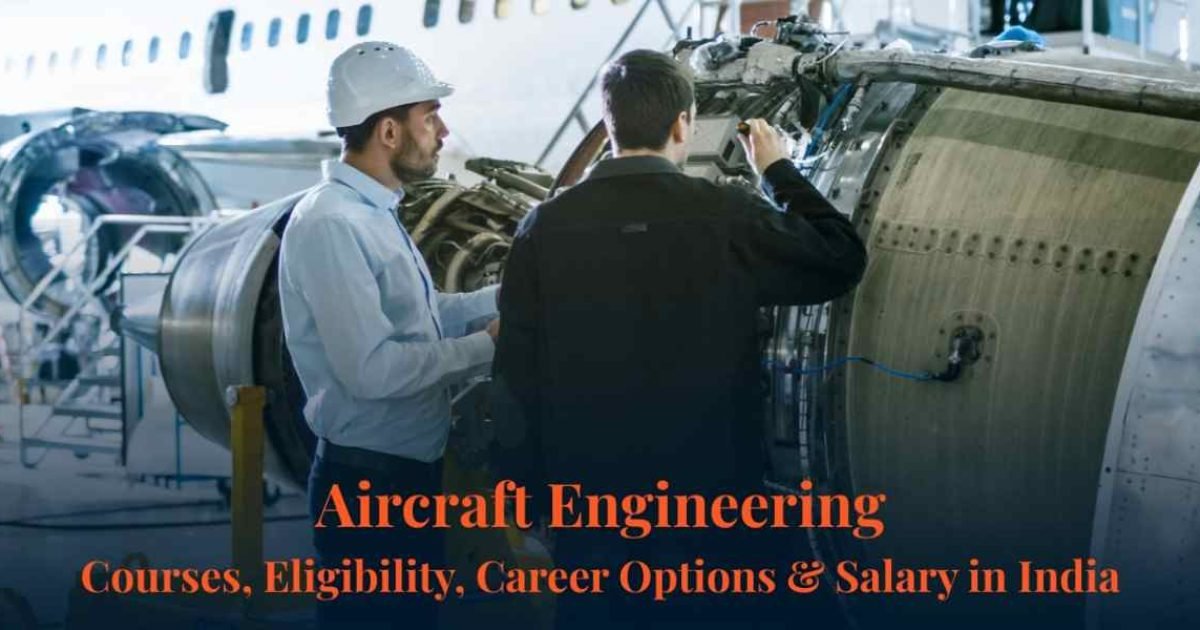
What is aircraft engineering and what do aircraft engineers actually do? Aircraft engineering refers to the study and application of engineering principles in the design, development, testing, manufacturing, and maintenance of aircraft. It covers areas such as aerodynamics, propulsion, avionics, structures, and systems. Students searching for aircraft engineering often come across related programs like aeronautical engineering, aerospace engineering, and Aircraft Maintenance Engineering (AME).
Read Before: Career in Aeronautical Engineering: Education Path, Scope & Job Opportunities
What Is Aircraft Engineering?
Aircraft engineering is the branch of engineering that deals with the design, analysis, and development of aircraft. It includes:
- Aircraft design – creating safe and efficient airplanes.
- Structures – ensuring strength and stability.
- Aerodynamics – studying airflow and lift.
- Propulsion – engines and thrust systems.
- Avionics – navigation and communication systems.
- Testing & manufacturing – validating performance and producing aircraft.
- Maintenance-related engineering – ensuring operational safety.
Example: Designing a passenger aircraft involves aerodynamics for lift, propulsion for thrust, structures for safety, and avionics for navigation.
What Does an Aircraft Engineer Do?
Aircraft engineers may work in:
- Design & analysis of aircraft components.
- Structural & aerodynamic analysis.
- System development (avionics, propulsion).
- Testing & validation.
- Manufacturing support.
- Quality assurance & documentation.
- Troubleshooting engineering problems.
- Research & development.
Responsibilities vary depending on specialization and employer.
Aircraft Engineering Courses in India
| Course / Route | Main Focus | Typical Career Direction |
|---|---|---|
| B.Tech Aeronautical Engineering Degree | Aircraft engineering | Aircraft/aeronautical engineering |
| B.Tech Aerospace Engineering Degree | Aerospace systems | Aircraft + broader aerospace sector |
| AME Licensing | Aircraft maintenance | Aircraft maintenance and regulated licensing |
| Diploma-related routes Diploma | Technical foundation | Depends on course and eligibility |
Students should check curriculum, recognition, and approval status before admission.
Aircraft Engineering Eligibility
Aircraft engineering eligibility generally requires:
- Class 12 with Physics, Mathematics, and Chemistry.
- PCM background.
- Entrance exams or direct admission (varies by institution).
- Diploma holders may have lateral entry options.
Requirements differ by university always verify official criteria.
Note: Book a FREE counselling session through SOACET 2027 to understand the AME admission process clearly.
Aircraft Engineering Course Duration
- B.Tech Aeronautical/Aerospace Engineering – typically 4 years.
- Diploma routes – usually 3 years.
- AME training – 2–3 years depending on DGCA-approved program.
Duration varies by institution and program.
Aircraft Engineering Subjects
| Subject | What Students Learn |
|---|---|
| Engineering Mathematics | Mathematical methods used in engineering |
| Engineering Physics | Physical principles relevant to engineering |
| Aerodynamics | Airflow and aircraft performance |
| Aircraft Structures | Aircraft structural components |
| Aircraft Propulsion | Engines and propulsion systems |
| Aircraft Materials | Materials used in aircraft |
| Flight Mechanics | Aircraft motion and performance |
| Avionics | Electronic systems used in aircraft |
| CAD / Design | Aircraft and component design |
| Manufacturing | Production and manufacturing concepts |
Subjects vary by university and course.
Aircraft Engineering Specializations
- Aerodynamics – airflow, lift, drag.
- Structures – design and analysis of aircraft components.
- Propulsion – jet engines, turbines.
- Avionics – navigation, communication, control systems.
- Aircraft Design – conceptual and detailed design.
- Manufacturing – production processes.
- Flight Testing – performance evaluation.
Aircraft Engineering Career Options
| Career | Main Work Area |
|---|---|
| Aircraft Design Engineer | Aircraft/component design |
| Aerodynamics Engineer | Aerodynamic analysis |
| Structural Engineer | Aircraft structures |
| Propulsion Engineer | Engines and propulsion |
| Avionics Engineer | Aircraft electronic systems |
| Manufacturing Engineer | Aerospace production |
| Quality Engineer | Quality and compliance |
| Testing Engineer | Testing and validation |
Aircraft Engineering Salary in India
| Experience | Indicative Salary Level |
|---|---|
| Fresher | ₹3–6 LPA (indicative) |
| 1–3 years | ₹4–8 LPA |
| 3–5 years | ₹6–10 LPA |
| 5–10 years | ₹8–15 LPA |
| Senior professionals Executive | ₹15 LPA+ |
Salary depends on role, employer, skills, and location. CTC ≠ take-home salary due to deductions.
Factors That Affect Aircraft Engineer Salary
- Experience – seniority increases responsibility.
- Specialization – design, avionics, propulsion.
- Employer – aerospace firms, airlines, MROs.
- Location – metros vs smaller cities.
- Qualification – B.Tech, M.Tech, AME.
- Software skills – CATIA, ANSYS, MATLAB, CFD.
- Industry segment – defense, R&D, manufacturing.
- Project experience.
- Communication skills.
- Additional training.
Aircraft Engineering vs Aeronautical Engineering
| Factor | Aircraft Engineering | Aeronautical Engineering |
|---|---|---|
| Meaning | Broad aircraft-related field | Formal engineering discipline |
| Focus | Aircraft systems, design | Aircraft design and technology |
| Course availability | Varies by institution | B.Tech programs widely available |
| Subjects | Mix of design + systems | Aerodynamics, propulsion, structures |
| Career options | Design, manufacturing, R&D | Aviation engineering roles |
Skills Needed for Aircraft Engineering
- Mathematics & physics.
- Problem-solving.
- CAD/design tools.
- Engineering analysis.
- Communication & teamwork.
- Attention to detail.
- Technical documentation.
- Continuous learning.
How to Build a Career in Aircraft Engineering
- Complete Class 12 with PCM.
- Choose a relevant program.
- Build fundamentals.
- Learn design/simulation tools.
- Complete projects/internships.
- Develop a portfolio.
- Apply for entry-level roles.
- Specialize based on interests.
Is Aircraft Engineering a Good Career?
It suits students who enjoy aircraft, mathematics, and engineering problem-solving. It may not suit those uninterested in technical subjects or who choose it only for salary. Career choice should balance interest, skills, cost, and opportunities.
How to Choose an Aircraft Engineering College
Check:
- Curriculum & faculty.
- Labs & workshops.
- CAD/design facilities.
- Industry exposure.
- Internship opportunities.
- Placement information.
- Fee structure.
- Recognition/approval.
Career Opportunities After Aircraft Engineering
Sectors include:
- Aircraft manufacturing.
- Aerospace companies.
- Airlines.
- MRO organizations.
- Defense aerospace.
- Research institutions.
- Engineering services.
Frequently Asked Questions About Aircraft Engineering
What is aircraft engineering?
Ans: It is the study and application of engineering principles to aircraft design, systems, and manufacturing.
Is aircraft engineering the same as aeronautical engineering?
Ans: They overlap, but aeronautical engineering is a formal degree program, while aircraft engineering is a broader term.
Which course is best for aircraft engineering?
Ans: Depends on career goals: B.Tech Aeronautical, B.Tech Aerospace, or AME for maintenance.
What is the eligibility for aircraft engineering?
Ans: Class 12 PCM background; requirements vary by institution.
What subjects are required for aircraft engineering?
Ans: Physics, Mathematics, Chemistry at Class 12 level.
How long is an aircraft engineering course?
Ans: B.Tech – 4 years; Diploma – 3 years; AME – 2–3 years.
What is the salary of an aircraft engineer in India?
Ans: Indicative fresher salary: ₹3–6 LPA; varies with experience.
Can I pursue aircraft engineering after 12th?
Ans: Yes